What Is a Digital Twin? A Beginner’s Guide for Brands
If your business operates factories, buildings, vehicles, infrastructure or complex products, you probably have more data than your teams can use effectively. The harder question is how to turn that data into something people can understand, test and act on before an expensive decision reaches the physical world. If you have been searching for what is a digital twin, the answer starts with understanding how a physical asset can be represented, connected and analysed digitally.
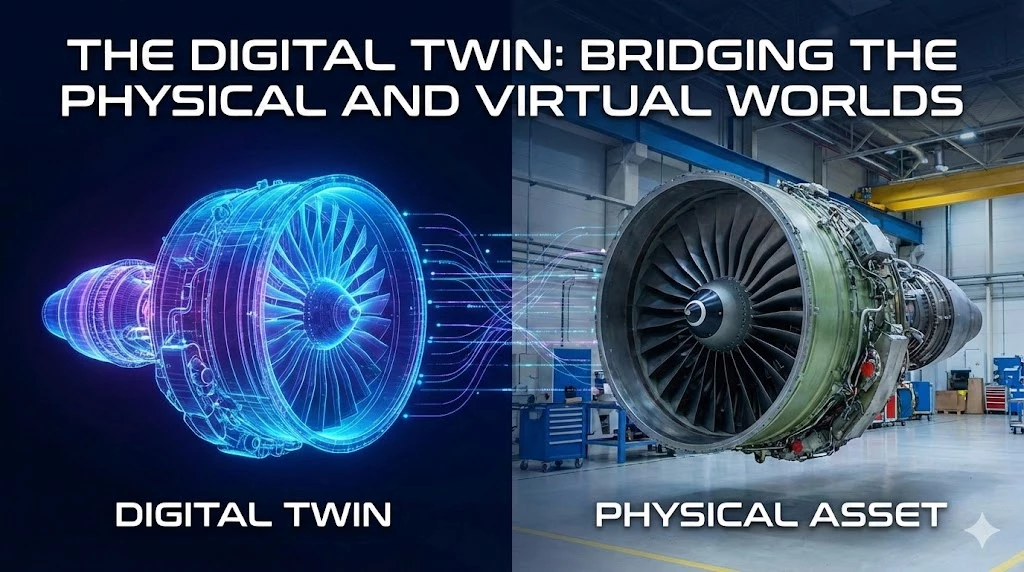
A digital twin connects a digital representation of a real-world asset, system or process with data about how that thing behaves. The value is not the 3D model by itself. The value comes from combining connected data, simulation and analytics to understand the current state of a system, explore possible outcomes and make better decisions. This digital twin guide explains the technology from a business perspective, including how digital twins work in business, where they are being used and what you should consider before investing in one. NIST also provides independent research on digital twin technology and its role in monitoring, prediction, optimisation and decision-making. NIST’s digital twin research provides useful context for organisations evaluating the technology.
What Is a Digital Twin in Practical Business Terms?
If you are asking what is a digital twin, start by ignoring the impressive 3D visuals for a moment. Imagine a manufacturing plant with machines, sensors, production schedules and maintenance records. A conventional dashboard may show temperature, output, downtime or energy consumption as separate metrics. Digital twin technology brings those data points together around a digital representation of the system they describe, allowing an operator to understand not only what is happening but also how different conditions could affect the system. The same principle can apply to a building, a vehicle, an energy network, a warehouse, a product or an entire city.
Understanding what is a digital twin also means understanding what it is not. A 3D model describes shape and appearance. A simulation can test behaviour under defined conditions. An IoT dashboard can display sensor readings. A digital twin can combine these capabilities with operational data and models so teams can observe, analyse and simulate a real system. The exact level of connection depends on the use case, so not every implementation needs millisecond updates or a photorealistic environment. The right question is not whether the twin looks realistic enough. It is whether the digital system gives your team information or decision-making capability that would otherwise be difficult, slow or risky to obtain.
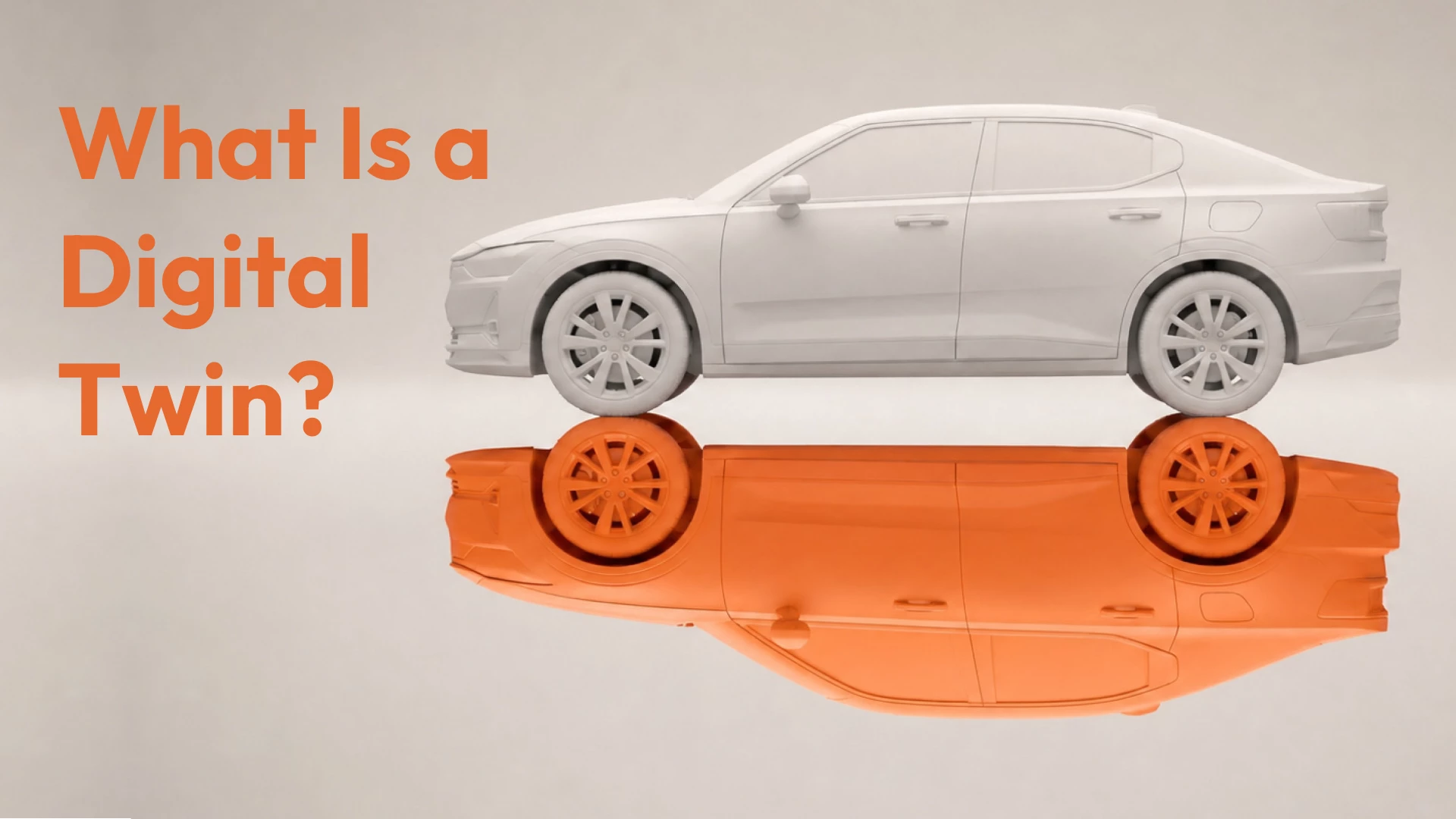
For beginners, the simplest way to think about a digital twin is as a working digital counterpart to something that exists in the physical world. It can represent an individual machine, an entire production line, a building, a vehicle or a wider infrastructure network. The sophistication varies from project to project. Some digital twin solutions focus mainly on visualisation and monitoring, while others add simulation, predictive analytics and real-time data. What is a digital twin ultimately depends on the relationship between the digital model, the physical asset, the incoming data and the decisions the system is designed to support.
The Three Parts That Make Digital Twin Technology Useful
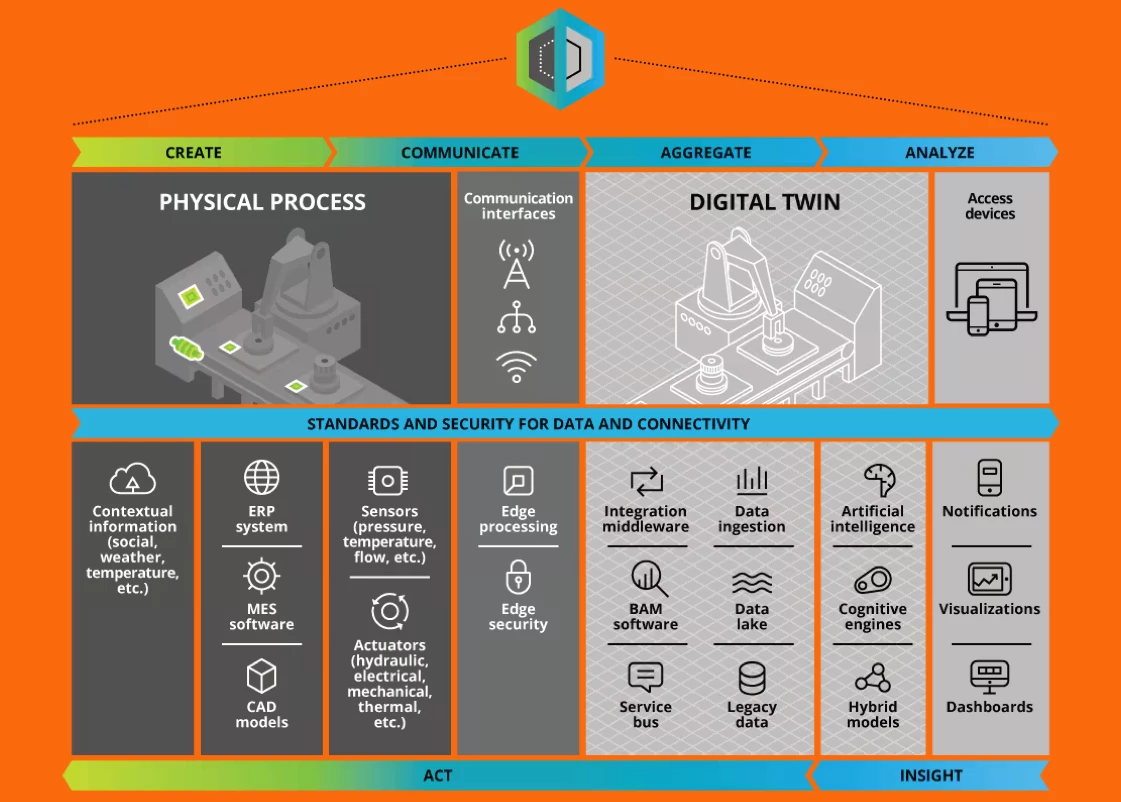
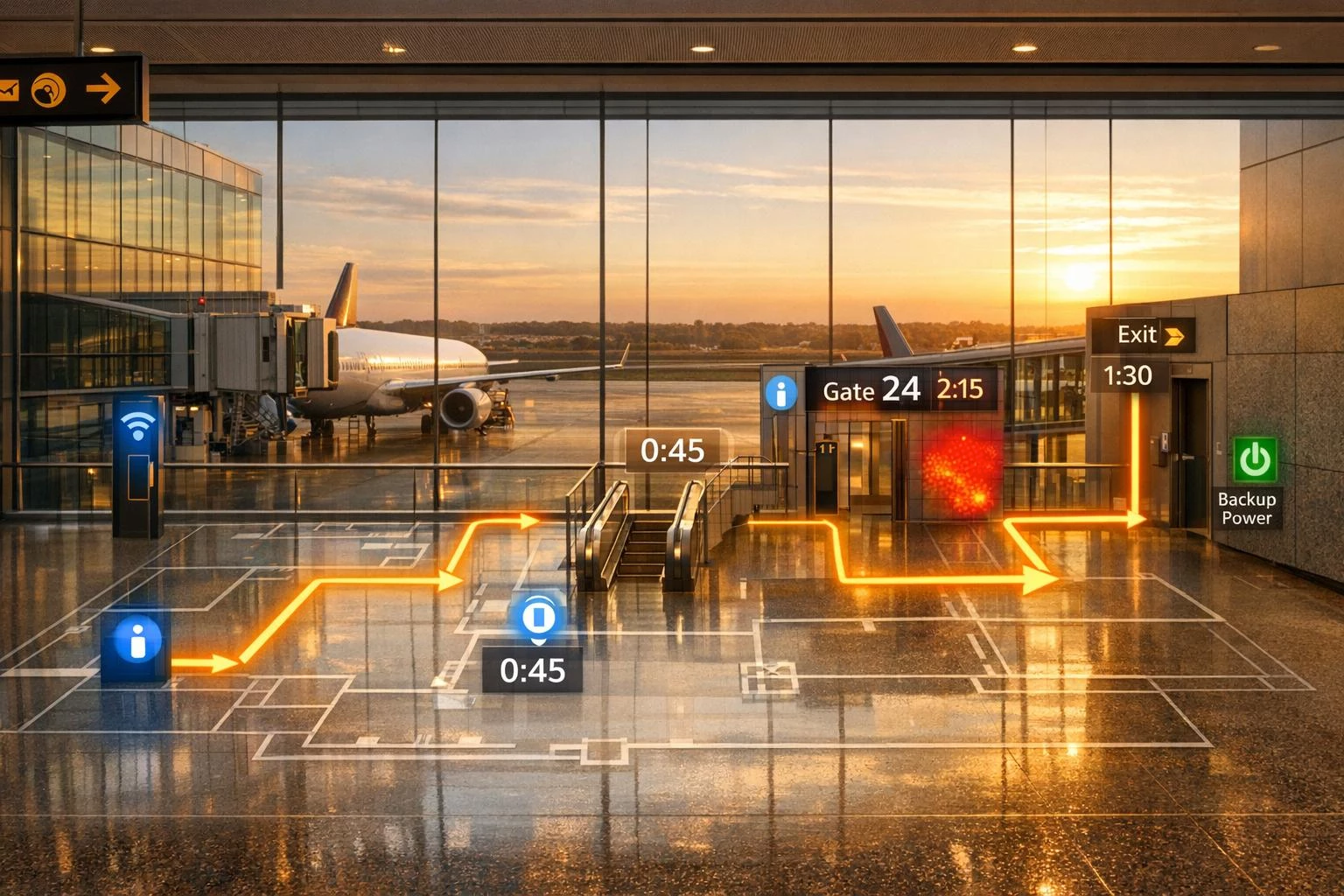
A practical answer to what is a digital twin can be broken into three connected parts. First is the physical system, such as a factory, building, vehicle or utility network. Second is the digital representation, which can combine 3D geometry, engineering information, rules and simulation logic. Third is the data connection that brings information from sensors, enterprise software, machines or other sources into the digital environment. When these elements work together, teams can see relationships that are difficult to spot when information sits across disconnected systems.
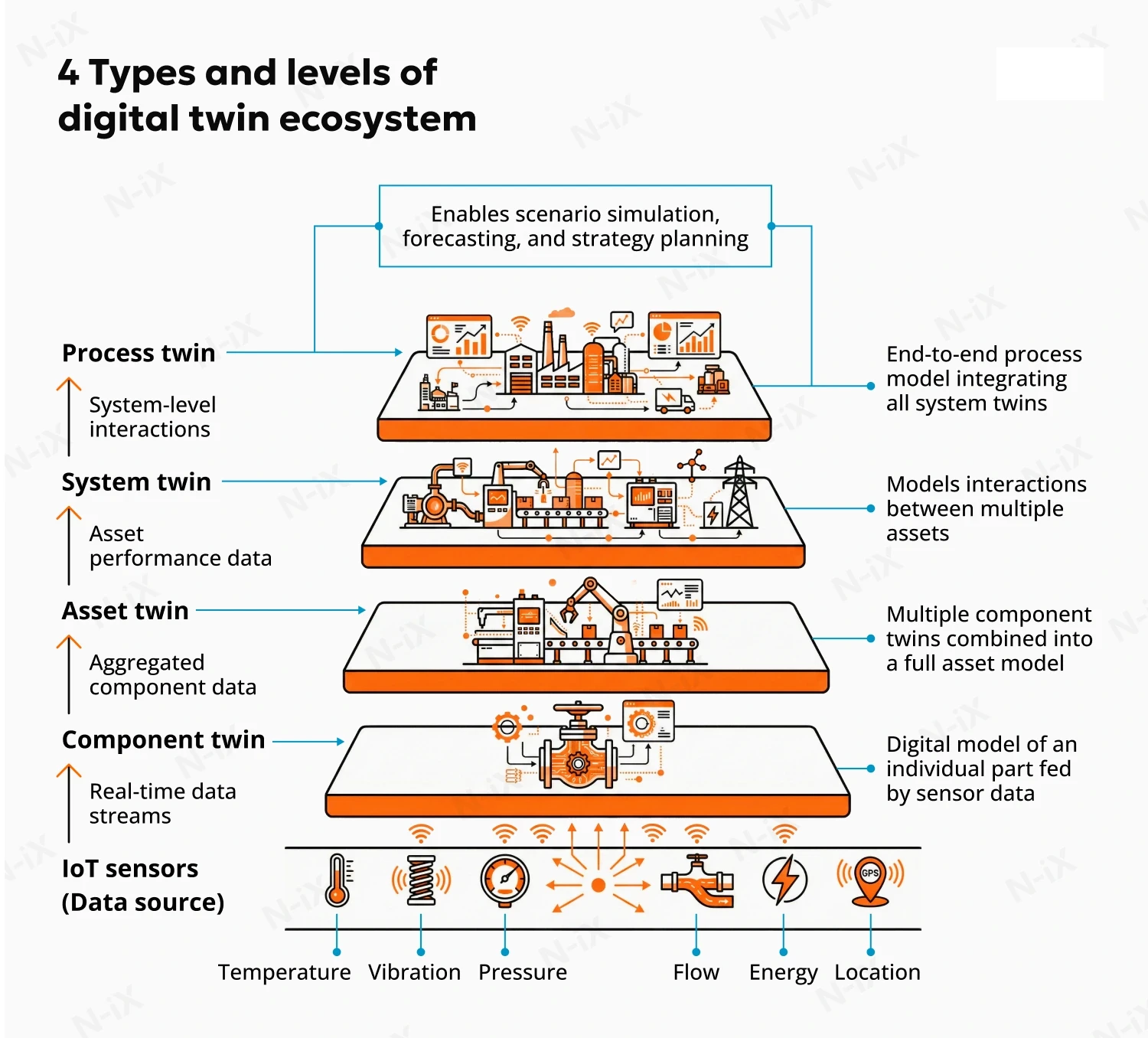
How the Data Connection Changes the Business Case
One of the clearest ways to understand what is a digital twin is to look at a real operational problem. Suppose a facility team wants to understand why energy consumption rises every afternoon. A static model cannot answer that question. A connected digital twin could combine building geometry, HVAC information, occupancy data, environmental readings and historical performance to identify patterns. The team could then test different operating scenarios digitally before changing settings in the real facility. This is where digital twin technology explained for beginners becomes tangible: instead of asking people to interpret isolated spreadsheets, you create a shared operational model around the system they manage.
How Digital Twins Work in Business
Understanding how digital twins work in business starts with the data architecture rather than the interface. A project normally begins by identifying the physical system, the decisions people need to make and the information required to support those decisions. Engineers and product teams then determine which data sources can feed the model, how often information needs to update and what rules or simulations are necessary. The visual environment comes after those decisions because the interface should make the underlying system easier to understand, not distract from it. This approach also prevents a common mistake: spending most of the budget on visual fidelity before defining the operational problem.
- Physical asset or process – The real machine, building, product, vehicle, infrastructure or workflow being represented.
- Digital model – A structured representation containing geometry, properties, relationships and behaviour relevant to the use case.
- Data ingestion – Connections to IoT devices, sensors, APIs, databases, enterprise applications or operational technology.
- Simulation and analytics – Models that help explain behaviour, compare scenarios, identify anomalies or forecast possible outcomes.
- User interface – Dashboards, 3D environments, maps or other interfaces that turn system information into something people can use.
These layers do not need to be equally sophisticated. A proof of concept might use a limited dataset and a focused visual model while an enterprise deployment may integrate multiple operational systems and support different user groups. The important design decision is to define the smallest useful system first. Atlyx approaches digital twin development around the assets, data sources and KPIs that matter to the organisation, rather than treating the 3D environment as the starting point.
Digital Twin Use Cases by Industry
The strongest digital twin use cases by industry have one thing in common: the physical system is complicated enough that better visibility, simulation or prediction can change a decision. If you are researching what is a digital twin because you want to identify a business application, look for situations where teams need to understand changing conditions, test alternatives or predict what could happen next. That could mean identifying a maintenance issue before a failure, testing a production change without disrupting operations or showing planners how a proposed infrastructure change could affect the wider system.
The value of digital twin applications therefore depends on the business problem rather than the novelty of the technology. A manufacturing company may prioritise production uptime while a property organisation may focus on energy performance. A mobility company may need simulation and product testing, while a city authority may need a common operating view across infrastructure. These different digital twin use cases can use similar technical building blocks while producing very different business outcomes.
Manufacturing and Industrial Operations
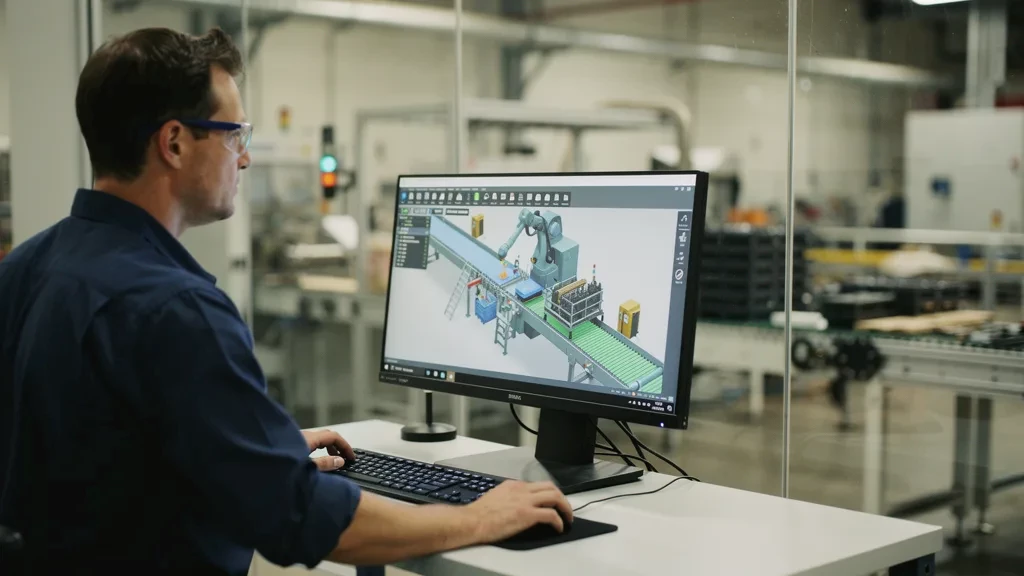
Manufacturers can use digital twins to represent machines, production lines or entire facilities. A connected model can bring together machine states, production data, maintenance information and environmental conditions. Engineers can use simulation to investigate process changes before implementing them on the factory floor, while operations teams can monitor performance and identify unusual behaviour. Predictive maintenance is another practical application because the system can compare current conditions with historical patterns and models. For anyone researching what is a digital twin in manufacturing, the business value comes from improving decisions around uptime, throughput, maintenance and production planning rather than simply displaying a virtual factory.

Smart Cities and Infrastructure
At city scale, the system can represent roads, buildings, utilities, transport networks and other infrastructure while combining GIS, sensor and operational information. This gives planners and administrators a shared environment for understanding what is happening across a large physical area. If you are exploring what is a digital twin for smart cities, the important consideration is not simply creating a 3D city. Atlyx’s Smart City Platform and Digital Twin case study demonstrates an approach combining digital twin modelling, IoT sensor integration, interactive 3D visualisation and real-time urban data. The platform shows how digital twin solutions can support monitoring, analysis and operational decisions across connected infrastructure.
Automotive and Mobility
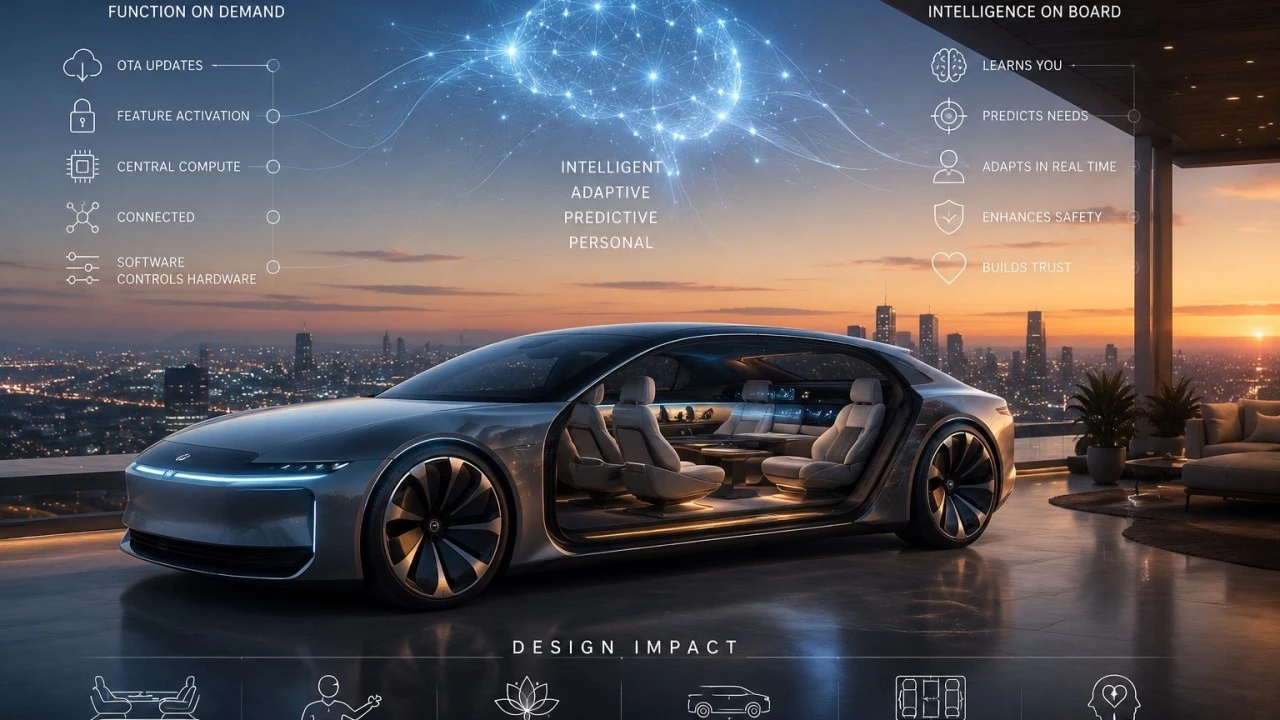
Vehicle development creates another strong application because testing every combination of road conditions, sensors, environments and system behaviours in the physical world can be expensive and time-consuming. A digital twin can represent a vehicle, component or mobility environment and provide a controlled space for simulation. Teams can investigate scenarios earlier in the development cycle, evaluate system behaviour and connect virtual testing with physical validation. This shows what is a digital twin from a product-development perspective: it can become a working environment for evaluating a physical product before every test has to happen in the real world.
Buildings, Real Estate and Facilities
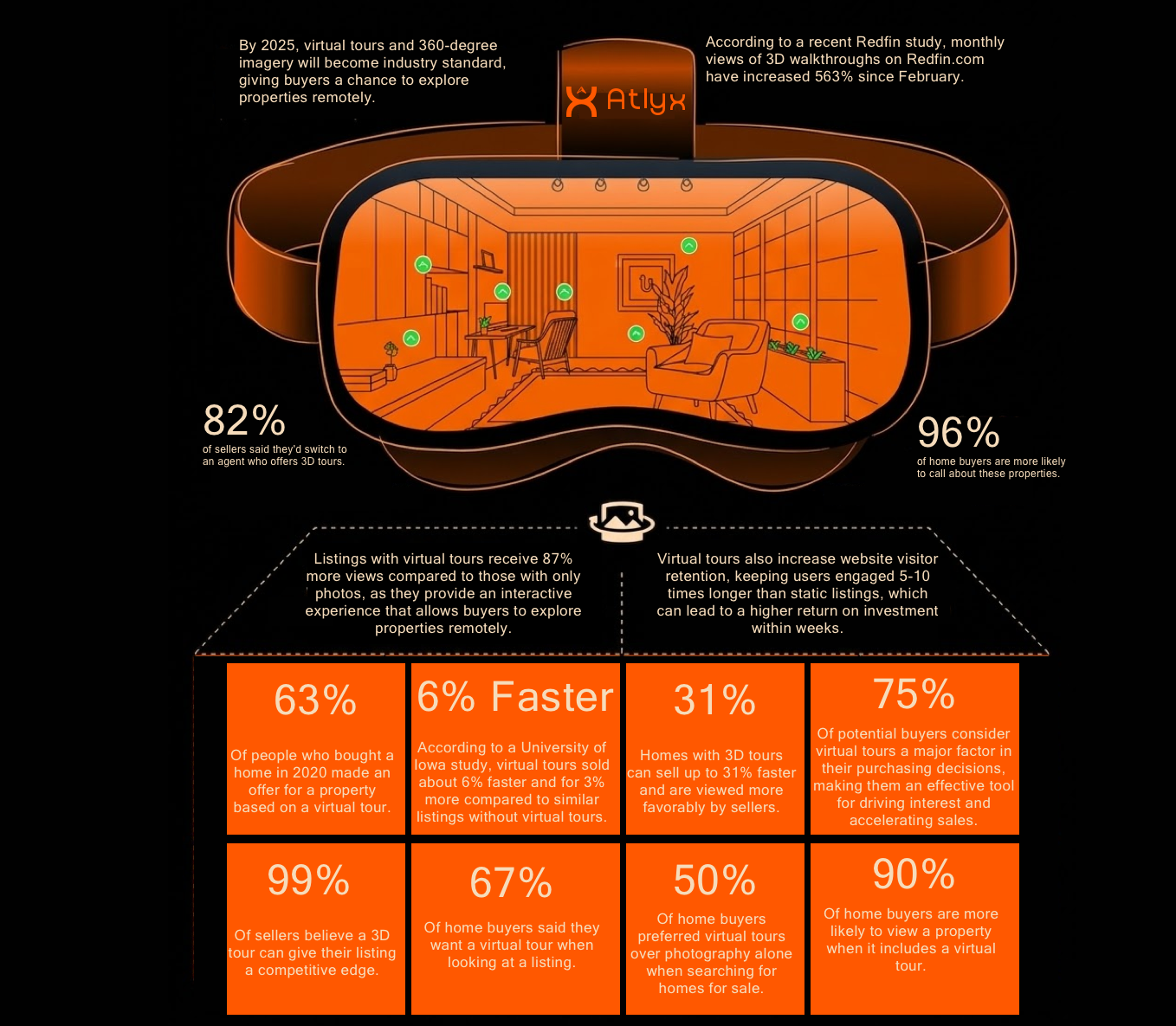
Buildings contain many interconnected systems that change throughout the day. A useful twin can connect building information with HVAC, occupancy, energy, maintenance and environmental data. Facility teams can use the model to investigate performance and test operational scenarios, while owners can gain a more complete view of an asset after construction. For organisations asking what is a digital twin in the context of buildings, the distinction between BIM and a twin matters. BIM can provide important structured information about a building, but the operational twin extends that information with live or regularly updated data and models that support decisions after handover.
Digital Twin vs 3D Model, Simulation and BIM
A major reason buyers struggle with what is a digital twin is that several technologies can look similar from the outside. A 3D model may show the same machine or building. A BIM environment may contain detailed asset information. A simulation may reproduce the behaviour of a system under defined conditions. A dashboard may display live sensor readings. None of those capabilities automatically makes the system a digital twin. The distinction is the relationship between the digital representation, the real-world entity, the data connection and the intended decisions.
Think of these technologies as building blocks rather than competing labels. BIM can supply structured information. 3D modelling can provide spatial context. IoT can provide current measurements. Simulation can explore possible outcomes. Analytics can identify patterns. A digital twin can bring those pieces together when the business case requires it. If your team is comparing a digital twin vs BIM or a digital twin vs 3D model, focus on what information is connected and what decisions the system is expected to support.
- 3D model – Primarily represents the shape, appearance and spatial structure of an object or environment.
- BIM – Organises information about buildings and infrastructure to support design, construction and asset management workflows.
- Simulation – Models how a system may behave under defined inputs, conditions or scenarios.
- IoT platform – Collects and manages data from connected devices and sensors.
- Digital twin – Connects a digital representation with relevant real-world data and models to support monitoring, analysis, prediction, simulation or control.
This distinction matters commercially because buying a digital twin when you actually need a visualisation project can create unnecessary cost. The reverse is just as problematic. If your team needs operational monitoring or scenario testing but receives only a polished 3D model, the project may look successful during a presentation while delivering little value after launch. Knowing what is a digital twin before selecting a vendor helps prevent that mismatch between the promised technology and the actual business requirement.
Digital Twin Benefits for Enterprise Decision-Makers
The strongest digital twin benefits come from improving decisions that are expensive, complex or difficult to reverse. Instead of waiting for a physical problem to occur, teams can monitor conditions and investigate potential causes. Instead of changing a production process and hoping the result is positive, engineers can model scenarios before implementation. Instead of presenting a large infrastructure project through static drawings, planners can provide an interactive environment that makes spatial relationships easier to understand. These applications give enterprise teams a reason to invest beyond simply having a more sophisticated visualisation.
Another benefit is shared understanding. Operations, engineering, management and customer-facing teams often work from different systems and different representations of the same asset. A well-designed enterprise digital twin can provide a common environment where relevant information is easier to interpret. That does not eliminate the need for specialist systems. It creates a layer that helps people understand how those systems relate to the physical world. When asking what is a digital twin from a management perspective, this shared context can be as important as the underlying simulation capability.
- Better monitoring – Bring relevant operational information into a common view.
- Scenario testing – Explore possible changes before applying them to the physical system.
- Predictive insight – Use historical and current data to identify patterns and potential problems.
- Faster communication – Give different stakeholders a shared visual and operational reference.
- Lower operational risk – Investigate complex situations digitally before making costly physical changes.
What Does a Digital Twin Cost and How Long Does It Take?
There is no useful single price for a digital twin because the scope can range from a focused proof of concept to a city-scale operational platform. The major cost drivers are the complexity of the physical system, the quality and accessibility of existing data, the number of integrations, the required simulation depth, the visual fidelity and the number of people who will use the system. A factory machine with a handful of data sources is very different from an urban platform connecting geospatial data, IoT devices, transportation systems and multiple user roles. When buyers ask what is a digital twin worth paying for, the answer depends on the level of capability required to change a specific business decision.
The same principle applies to timelines. A focused proof of concept can be planned around a narrow use case, a limited asset set and a defined data pipeline. A production deployment needs additional work around integrations, authentication, infrastructure, testing, data quality and operational ownership. A sensible digital twin guide should therefore treat scope as a variable rather than promise a universal delivery time. The right digital twin platform is the one that fits the data, users, workflows and technical requirements of the project rather than simply offering the largest feature list.
The Biggest Digital Twin Implementation Mistakes to Avoid
The most expensive mistake is starting with technology instead of the decision the system needs to improve. If nobody can explain what a user should do differently after seeing the twin, the project has not defined its value yet. Another common problem is weak source data. A beautifully modelled environment cannot compensate for missing, inconsistent or poorly structured operational information. Security and governance also need attention early because a connected twin may bring together operational technology, enterprise systems and potentially sensitive information. For enterprise leaders researching what is a digital twin, these implementation issues are as important as the definition itself.
- Building the visual layer first – A polished environment is not a business case. Define the decision, KPI and user workflow first.
- Ignoring data readiness – Confirm what data exists, who owns it, how reliable it is and how frequently it can update.
- Overbuilding the first release – Start with the asset, scenario or workflow where better information can create measurable value.
- Choosing the platform too early – Select the stack after understanding integrations, simulation requirements, deployment targets and users.
- Forgetting adoption – A twin only creates value when the people responsible for decisions can understand and use it.
There is also a vendor risk that enterprise buyers should take seriously. A supplier may be strong at 3D production but weak at data engineering, or strong at software integration but unable to design an interface that operators actually understand. A successful digital twin implementation needs those disciplines to work together. This is one reason a clear answer to what is a digital twin should include both technology and experience design. Atlyx combines immersive design, real-time 3D development and digital technology so the visual experience can be considered alongside system architecture and business use.
How to Decide Whether Your Business Needs a Digital Twin
You probably do not need a digital twin simply because competitors are discussing the technology. The stronger signal is a recurring business problem involving a physical or operational system that is difficult to understand, test or optimise. If your teams rely on disconnected data, spend significant time investigating failures, need to test changes before implementation or manage complex assets across locations, the technology may be worth exploring. If you are asking what is a digital twin because you are considering an investment, the strongest candidates usually have a measurable KPI attached to the problem, such as downtime, energy consumption, maintenance cost, throughput, planning time or incident response.
A sensible first step is to choose one operational question and work backwards. Ask what information is needed to answer it, where that information currently lives, which systems must connect and what level of simulation is actually necessary. Then define a small proof of concept that can demonstrate value before expanding to more assets or departments. This approach makes the idea much less abstract because the project becomes a practical exercise in improving a defined workflow. It also gives stakeholders a concrete answer when they ask what is a digital twin expected to deliver rather than leaving the project at the level of a technology demonstration.
- Choose one high-value problem – Focus on a decision where better information could produce a measurable improvement.
- Map the physical system – Identify the assets, processes, relationships and states that matter.
- Audit the data – Map sensors, APIs, databases, enterprise systems and gaps before development begins.
- Define the user experience – Decide who will use the twin, what they need to see and what action they should take.
- Build and test a focused version – Prove the workflow with representative data before scaling the architecture.
Atlyx’s immersive technology services are relevant when the project also needs interactive 3D, real-time simulation or an experience layer for users. The technology can be delivered through desktop dashboards, large-screen control environments, web applications, VR or other interfaces depending on the audience and operating context. The important part is that the interface serves the decision instead of becoming the product by itself.
Where Digital Twin Technology Is Heading
The next stage of digital twin technology is less about making models more visually impressive and more about making them useful. Better data pipelines, AI-assisted analytics, simulation and connected operational systems can make the twin more capable of identifying patterns and exploring possible outcomes. That does not mean every twin needs autonomous control. In many enterprise settings, the highest-value role will be decision support: helping a person understand a complex system and evaluate an action before committing resources or creating physical consequences. This is an important part of what is a digital twin when viewed from an enterprise strategy perspective.
This is also why digital twins are relevant to brand and customer experience teams, not only engineering departments. A manufacturer can use a twin to demonstrate how a product operates. An automotive company can create an interactive environment for mobility concepts. A real estate organisation can help stakeholders understand a development through a live spatial model. A city can provide planners with a shared operational view. In each case, the experience becomes a way to communicate the behaviour of something complex, not simply a digital replica made for visual effect.
For enterprise leaders, the practical question is straightforward. Do you have a physical system or process where better visibility, simulation or prediction could materially improve a decision? If the answer is yes, digital twin technology may be worth evaluating. If the answer is no, building one because the technology is fashionable is unlikely to produce a strong return. The best digital twin guide is ultimately the one that helps you decide whether the technology solves a real problem.
What Is a Digital Twin? Frequently Asked Questions
What is a digital twin used for?
A digital twin can be used to monitor physical assets, analyse operational data, simulate scenarios, identify potential problems and support better decisions. Common digital twin applications include manufacturing, smart cities, buildings, energy, automotive, infrastructure and product development. The exact purpose depends on the asset and the business problem being addressed.
How does digital twin technology work?
Digital twin technology works by connecting a digital representation of a physical asset or system with relevant data. Sensors, IoT devices, enterprise software, databases and APIs can provide information about the physical environment. Analytics, simulation and visualisation then help users understand current conditions or explore potential outcomes.
What is the difference between a digital twin and BIM?
BIM primarily organises information about buildings and infrastructure across design, construction and asset management workflows. A digital twin can use BIM information as one source while adding operational data, real-time connections, analytics and simulation. The difference between digital twin vs BIM therefore depends on the project’s scope, data connections and intended decisions.
What is the difference between a digital twin and a 3D model?
A 3D model primarily represents the physical appearance and geometry of an object or environment. A digital twin adds a relationship with the physical system through relevant data and models. This means a 3D model can be part of a digital twin, but a 3D model alone does not necessarily qualify as one.
Are digital twins only for large enterprises?
No. The scale of a digital twin solution should match the business problem. A focused project can represent one machine, facility or product rather than an entire organisation. Starting with a narrow use case can also make digital twin implementation easier to evaluate before expanding to additional assets or systems.
What should a company consider before building a digital twin?
Start with the business decision the system needs to improve. Then assess the physical asset, available data, integration requirements, users, simulation needs, security requirements and measurable KPIs. This provides a more reliable foundation than beginning with a particular digital twin platform or 3D engine.
What Is a Digital Twin? The Short Answer
So, what is a digital twin after all? It is a digital representation connected to a real-world entity, system or process through relevant data and models, designed to help people monitor, understand, simulate, predict or optimise what happens in the physical world. The 3D environment can be valuable, but it is only one part of the system. The real value sits in the connection between the model, the data, the behaviour and the business decision.
If you are considering a digital twin project, start with the operational problem rather than the software. Define the asset, the user, the decision and the KPI. Then assess your data and choose the smallest useful implementation that can prove the concept. Atlyx can help scope that path across digital twin architecture, real-time 3D, data integration and interactive experience design. If you already have a specific asset, facility or infrastructure problem in mind, the next useful step is a scoped conversation about what the twin would need to do and what it would take to build it.