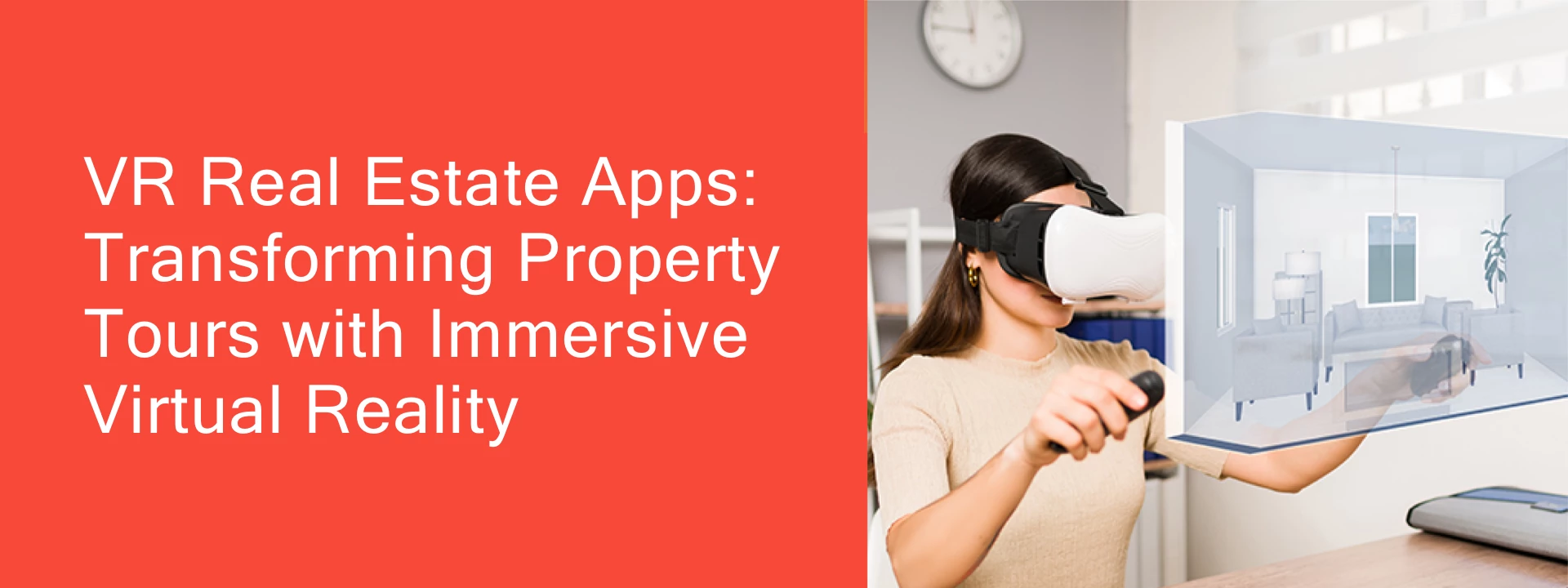
The real estate industry has always relied on visual experiences to influence buyer decisions. Traditionally, property listings included photographs, brochures, and physical site visits. While these methods still exist, modern buyers expect a far more interactive experience before they commit to a viewing or purchase. As digital technology continues to evolve, vr real estate apps are becoming the new standard for presenting properties online.
Instead of browsing through static images, potential buyers can now explore homes, apartments, and commercial spaces through immersive virtual environments. These environments allow users to move through rooms, evaluate layouts, and experience the spatial design of a property as if they were physically present.
The adoption of vr real estate apps is transforming the way developers, brokers, and agencies market properties. By combining 3D visualization, interactive navigation, and real-time rendering technologies, these platforms allow buyers to explore properties remotely while gaining a realistic sense of scale and design.For real estate businesses, the ability to deliver immersive property experiences offers a powerful competitive advantage. Buyers can evaluate listings faster, investors can inspect properties from different cities or countries, and developers can present future projects long before construction begins.
What Are VR Real Estate Apps?
VR real estate apps are digital platforms that enable users to explore properties through immersive virtual environments. These applications typically use advanced visualization technologies such as 3D modeling, spatial rendering, and interactive navigation systems to simulate the experience of walking through a property.
Unlike traditional listing websites, vr real estate apps provide dynamic property exploration. Users can move from room to room, examine architectural details, and analyze floor plans within a realistic digital space. Many platforms also include features such as virtual staging, customizable interior designs, and interactive measurement tools.
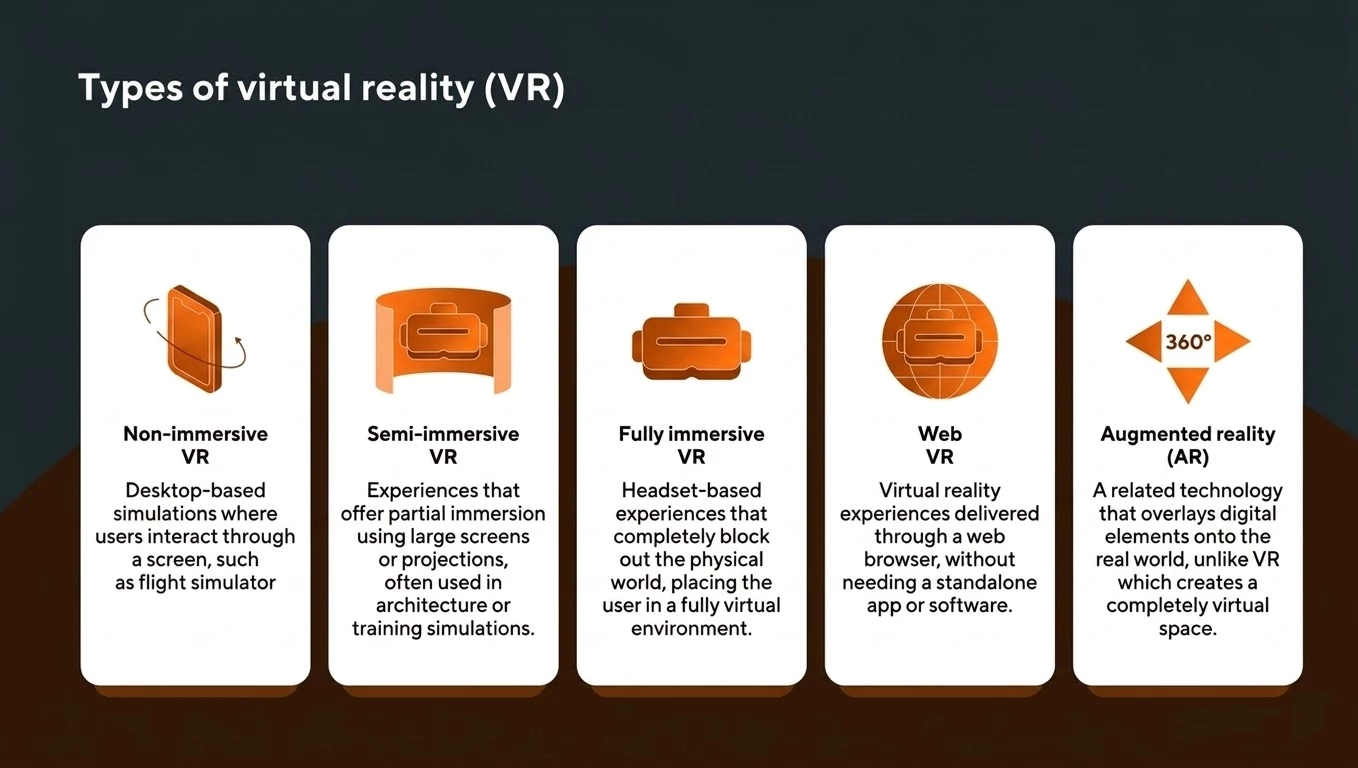
Modern vr real estate apps can run across multiple devices including VR headsets, smartphones, tablets, and desktop browsers. This flexibility allows property developers and agencies to reach a wide audience without requiring specialized hardware. These platforms often integrate technologies like virtual property tour platforms, 3D home viewing tools, and digital property walkthrough apps, creating a comprehensive system for presenting real estate properties in highly engaging ways.
By delivering immersive experiences rather than static information, vr real estate apps allow buyers to understand properties more clearly and make faster purchasing decisions.
Why Real Estate Companies Are Adopting VR Property Tours
The growing popularity of vr real estate apps is largely driven by changes in buyer behavior. Property buyers today conduct extensive online research before scheduling physical visits, and they expect detailed visual information that helps them evaluate properties remotely.
Traditional listing pages often fail to communicate the true spatial experience of a property. Photographs can only show limited perspectives, and video tours rarely allow buyers to control how they explore the space. In contrast, vr real estate apps give users complete control over their viewing experience.
This technology provides several significant advantages for real estate professionals.
Developers can showcase off-plan properties long before construction begins. Using advanced visualization systems, they can create accurate digital representations of buildings and allow buyers to explore them in immersive environments. This capability is particularly valuable for pre-launch marketing campaigns and early-stage property sales.
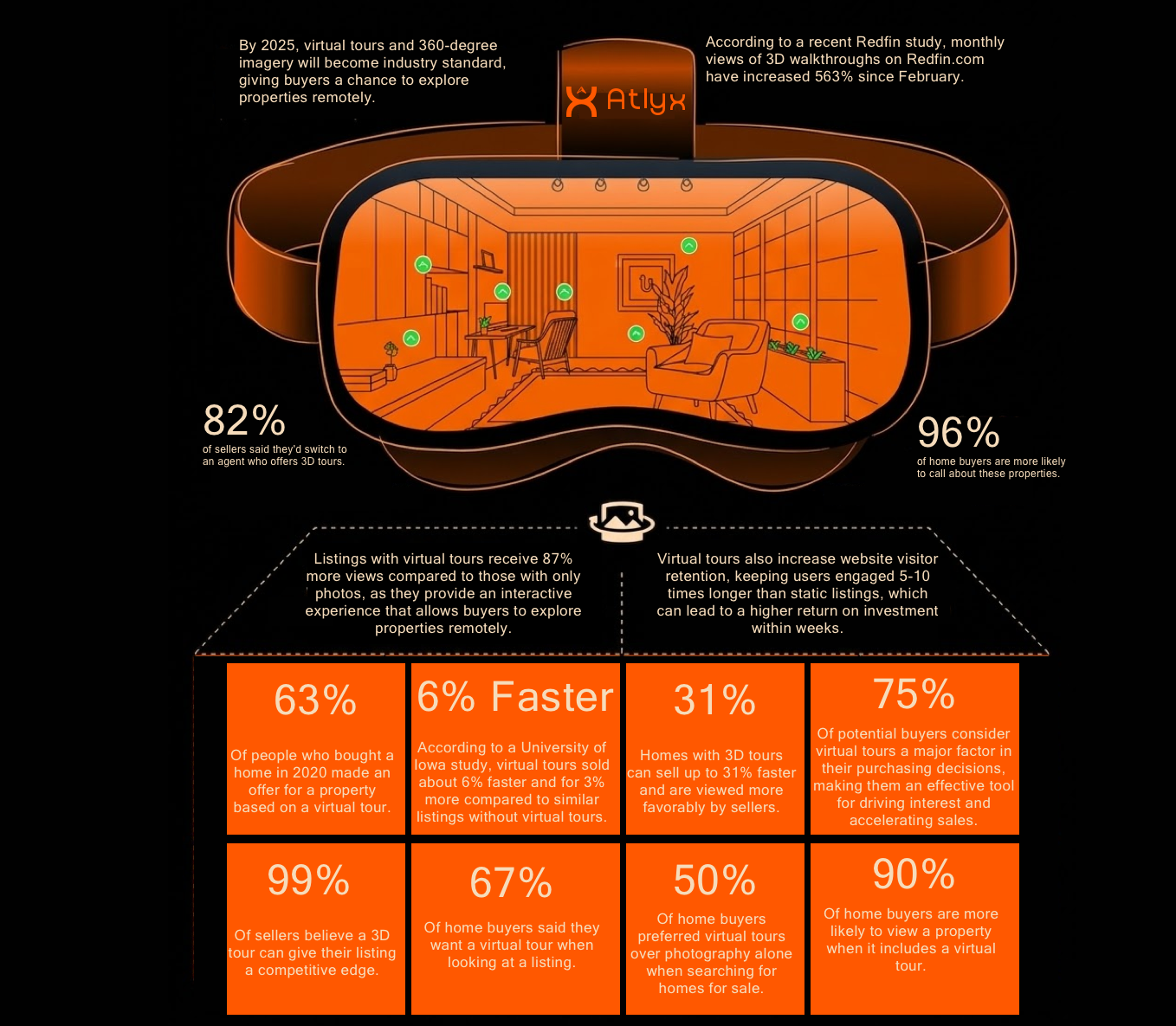
Real estate agencies also benefit from improved engagement. Listings that include immersive tours often keep buyers on the page for longer periods of time, increasing the chances that they will contact an agent or schedule a viewing.
Real estate agencies also benefit from improved engagement. Listings that include immersive tours often keep buyers on the page for longer periods of time, increasing the chances that they will contact an agent or schedule a viewing.
How VR Real Estate Apps Work
Creating immersive property tours involves several technical stages that transform architectural data into interactive digital environments. The process behind vr real estate apps combines spatial capture, 3D modeling, and application development to produce realistic virtual experiences.
Property Data Capture
- The first step in building vr real estate apps involves collecting accurate data about the property. This can be done using 360-degree cameras, LiDAR scanning devices, or architectural CAD models. These technologies capture the layout, dimensions, and structure of the property with high precision.
- The captured data is used to build the foundation of the virtual environment. Accurate spatial measurements are essential because they ensure that buyers experience realistic proportions and room layouts when exploring the property.
3D Modeling and Environment Creation
- After the data is captured, visualization specialists create a detailed 3D model of the property. This stage involves adding architectural elements, materials, lighting conditions, and interior furnishings to the digital environment.
- The goal of this process is to replicate the property as accurately as possible while also making it visually appealing. Many vr real estate apps enhance these environments with landscaping, decor, and environmental effects that create a fully immersive experience.
Application Development and Distribution
- Once the 3D environment is complete, it is integrated into a platform that allows users to explore the property interactively. These platforms may include navigation systems, floor plan overlays, and customizable viewing options.
- Modern vr real estate apps can be deployed across web browsers, mobile applications, and VR headsets, making immersive property experiences accessible to a wide audience.
Types of Virtual Property Tours Used in Real Estate
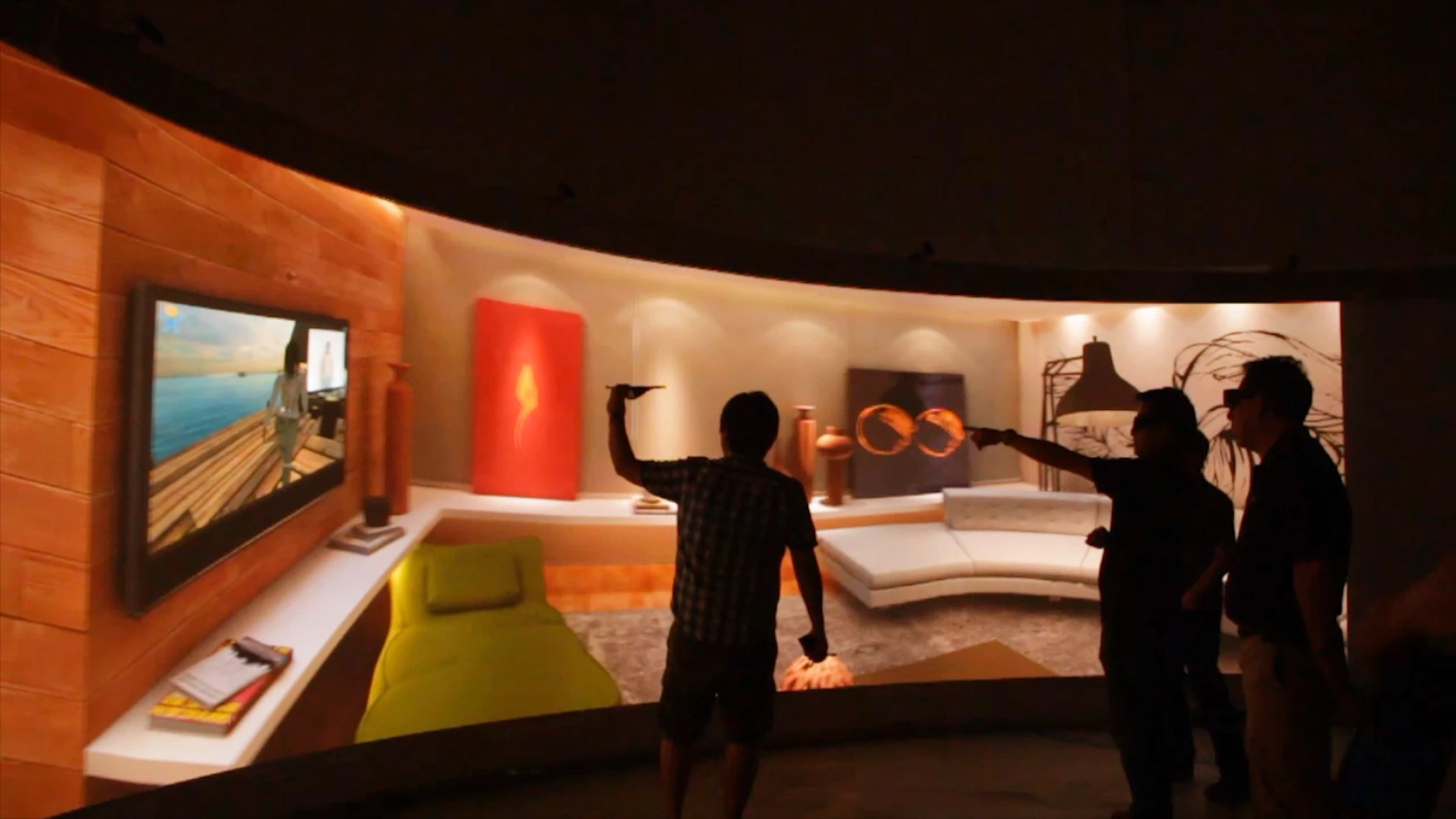
Not all immersive property tours are created the same way. Different types of vr real estate apps offer varying levels of interaction and realism depending on the technology used.
360 Degree Property Tours
- A/B 360-degree tours capture real spaces using panoramic photography and allow users to rotate their viewpoint in every direction. These tours provide a strong sense of space and are commonly used for residential listings and rental properties.
- Pre-Sell and Validate: Test highly experimental, bold designs virtually. Gauge customer interest and secure pre-orders before committing to expensive manufacturing runs, effectively eliminating dead stock.
- While they are not fully interactive 3D environments, they still offer a significant improvement over traditional photographs.
Fully Interactive VR Walkthroughs
More advanced vr real estate apps create fully interactive environments where users can move freely through rooms and hallways. These virtual spaces simulate real-world navigation and provide a much deeper understanding of property layouts.
Luxury real estate developers often use these immersive walkthroughs to showcase high-end homes, penthouses, and large residential developments.Luxury real estate developers often use these immersive walkthroughs to showcase high-end homes, penthouses, and large residential developments.
Digital Twin Property Models
Some vr real estate apps use digital twin technology to replicate entire buildings or communities in virtual environments. These models mirror real-world properties with remarkable accuracy and allow buyers to explore spaces that may not yet exist physically.
Digital twin environments are particularly valuable for large residential projects and commercial developments where multiple buildings and amenities need to be presented together.
For more information on digital twin technology and immersive environments, the concept is widely explained by resources such as https://www.ibm.com/topics/digital-twin.
How Realtors and Developers Use VR Real Estate Apps
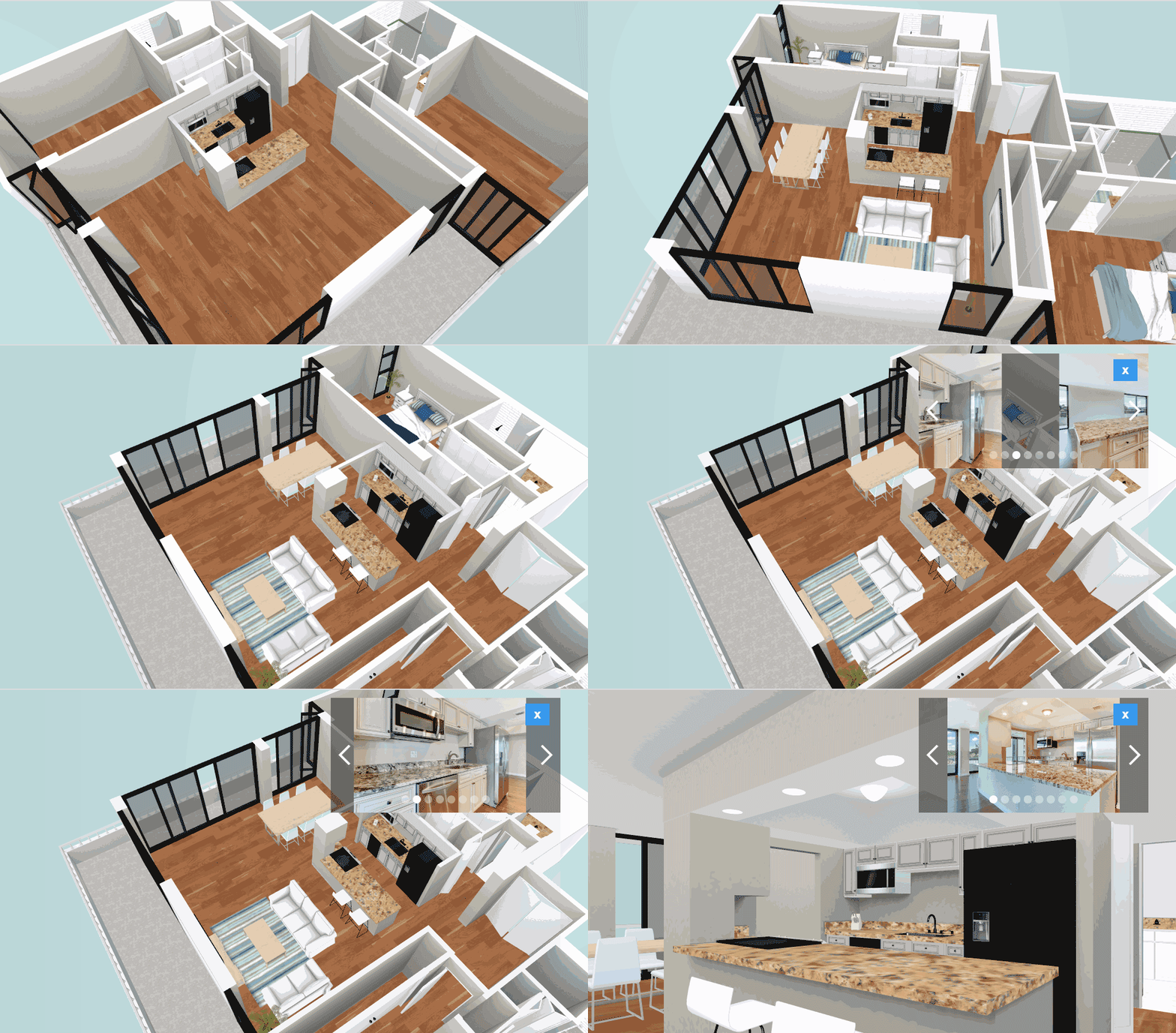
Real estate professionals are using vr real estate apps throughout the property marketing and sales process. One of the most common applications is remote property viewing. Buyers can explore listings from anywhere in the world, which significantly expands the reach of property marketing campaigns.
- Developers also use vr real estate apps to present properties that are still under construction. Instead of relying on architectural drawings, they can offer buyers immersive walkthroughs that demonstrate exactly how the finished property will look.
- Virtual open houses are another emerging trend. Agents can invite multiple buyers into the same virtual environment and guide them through the property in real time. This approach creates interactive presentations that closely resemble traditional property tours while eliminating the logistical challenges of physical events.
- Commercial real estate companies are also adopting vr real estate apps to showcase office spaces, retail developments, and hospitality properties. These immersive environments allow investors to evaluate large projects without visiting multiple locations.
Custom VR Real Estate Apps vs Off-the-Shelf Platforms
While many real estate companies start with basic virtual tour tools, large developers and agencies often require more advanced platforms. Off-the-shelf solutions typically offer limited customization and may not integrate well with existing sales systems.
Custom vr real estate apps allow companies to build immersive property experiences tailored to their specific marketing and sales processes. These platforms can include features such as multi-user viewing sessions, CRM integration, interactive floor plans, and real-time property customization.
Companies looking to create large-scale immersive property environments often combine virtual tours with interactive digital showrooms. These experiences allow buyers to explore multiple developments within a single virtual space.
Businesses interested in building immersive property presentation platforms can explore solutions such as the digital experience environments described here:https://theatlyx.com/digital-showrooms-and-exhibitions-services-india/.These types of immersive platforms demonstrate how vr real estate apps can be integrated into broader digital sales experiences.
How VR Real Estate Apps Help Sell Homes Faster
One of the biggest advantages of vr real estate apps is their ability to accelerate the property buying process. Traditional property marketing often requires buyers to visit several properties before finding the right option. This process can take weeks or even months.
With immersive property tours, buyers can evaluate multiple listings quickly and identify properties that truly match their preferences. This reduces unnecessary site visits and helps agents focus on serious prospects.
Buyers who have already explored a property through vr real estate apps typically arrive at physical viewings with a clear understanding of the layout and design. This level of preparation increases the likelihood of a successful sale and shortens the overall sales cycle.
Developers also benefit from improved marketing efficiency. Listings that include immersive tours often generate higher engagement rates and longer viewing times, which can translate into more qualified leads.
The Future of VR Real Estate Technology
As immersive technologies continue to evolve, vr real estate apps are expected to play an even larger role in property marketing and development. Advances in artificial intelligence, spatial computing, and mixed reality will make virtual environments more realistic and interactive.
Future vr real estate apps may allow buyers to customize interior layouts, experiment with different architectural styles, and simulate environmental conditions such as daylight patterns or neighborhood activity. These features will give buyers deeper insights into how a property fits their lifestyle and investment goals.
Another emerging trend is the integration of immersive environments with digital sales centers. Developers are beginning to create virtual showrooms where buyers can explore entire property portfolios through interactive experiences.
These innovations suggest that immersive real estate technology will soon become a standard component of property marketing strategies.
Build Custom VR Real Estate Apps for Your Property Projects
For real estate developers, agencies, and property marketing teams, immersive technology presents a powerful opportunity to transform how properties are presented and sold. Custom vr real estate apps allow businesses to deliver interactive property experiences that go far beyond traditional listing pages.
These platforms can include digital twins of entire developments, immersive walkthroughs of individual properties, and interactive environments where buyers can explore communities before construction is complete.
As the real estate industry becomes increasingly digital, companies that invest in immersive technologies will be better positioned to attract modern buyers and global investors.
The future of property marketing will not rely solely on static listings. Instead, it will revolve around immersive experiences powered by advanced visualization technologies. By adopting vr real estate apps, developers and agencies can create engaging property journeys that inspire buyers and accelerate sales.