
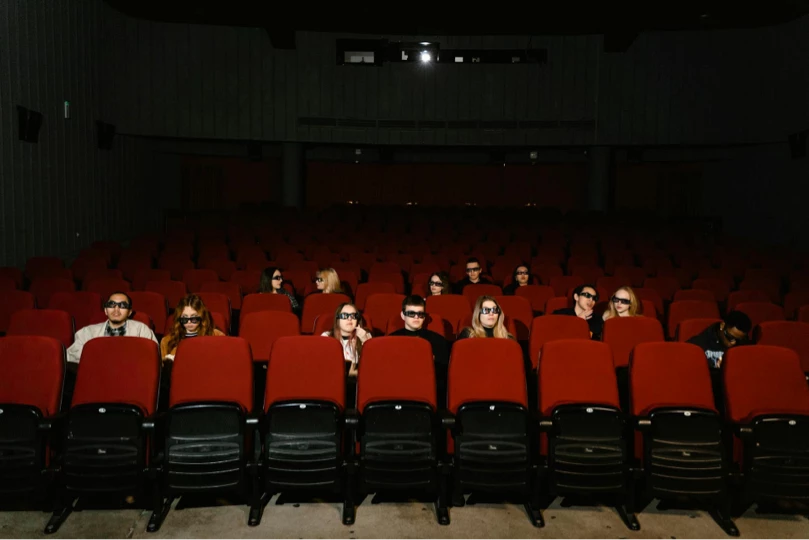
Immersive experiences are changing the way we interact with the world around us in an age of technological progress. These experiences are no longer just for gaming or entertainment. They include virtual reality adventures that take us to faraway galaxies and augmented reality apps that make our everyday lives better. They are important tools that shape education, health care, and social interactions. We can be more empathetic, creative, and understanding if we unlock the future of immersive experiences. These experiences are important for everyone, whether you’re a tech lover or just starting out. Come with us as we explore what immersive experiences really are and how they can change the way we learn, connect, and see our futures in a big way. Get ready to find out why embracing this new technology is important for making our lives better in ways we can’t even imagine yet!

Immersive experiences are interactions that change people that are made possible by advanced technology and are meant to make users feel like they are in a simulated or augmented environment. These experiences involve more than just seeing or hearing things; they involve multiple senses to make you feel more present and involved. By letting users interact with digital things as if they were real, immersive experiences can change how we see and interact with both virtual and real-world situations in a big way.
The idea of immersion isn’t new; it comes from people’s desire to escape and connect on a deeper level. From ancient storytelling to modern movies, people who make things have always tried to take people to new places. But with the rise of advanced technologies like virtual reality (VR), augmented reality (AR), and mixed reality (MR), immersive experiences have become much more varied and deep. These technologies let people enter completely new worlds, talk to digital characters, and move virtual objects in ways that used to be only in science fiction.
To understand immersive experiences, you need to know that they can go beyond the usual ways of interacting. They can make places that are either completely virtual or better than the real world. The ability to combine the digital and physical worlds opens up a world of possibilities in many areas, such as business, healthcare, education, and entertainment. Immersive experiences can help people understand each other better, learn more, and find new ways to solve problems in the real world by making them feel like they are there and involved.

Evolution of immersive technology is marked by quick progress and new ideas. In 19th century panoramic paintings and stereoscopic images were some of the first attempts to make immersive environments. These tried to make the visual experience more interesting. The Sensorama an arcade style cabinet that offered multi sensory experiences was one of the first steps into VR in the 1960s. But it wasn’t until the end of the 20th century when computer graphics and interactive software were created, that immersive technology started to look like it does today.
The 1990s were a step forward for VR with the release of systems like the Virtuality arcade machines and VFX1 Headgear. Which gave users basic virtual experiences. Even though these new ideas were great early VR systems were too expensive and had too many technical problems for most people to use. VR didn’t catch on with consumers till 2010s when more advanced and affordable hardwares Oculus Rift and HTC Vive came out. These had better motion tracking, HD displays and easy to use controls, which made immersive experiences easier to access and more fun.
Along with the growth of VR, AR technology also grew with the rise of smartphones and improvements in computer vision. The popular mobile game Pokémon GO was one of the first AR apps to show how digital information could be added to the real world. AR platforms like Apple’s ARKit and Google’s ARCore made the development of AR experiences go even faster. This allowed Atlyx developers to make apps that were more complex and interactive. As VR and AR technologies get better, the differences between them become less clear. This has led to the creation of mixed reality and other types of immersive technology that combine the two.
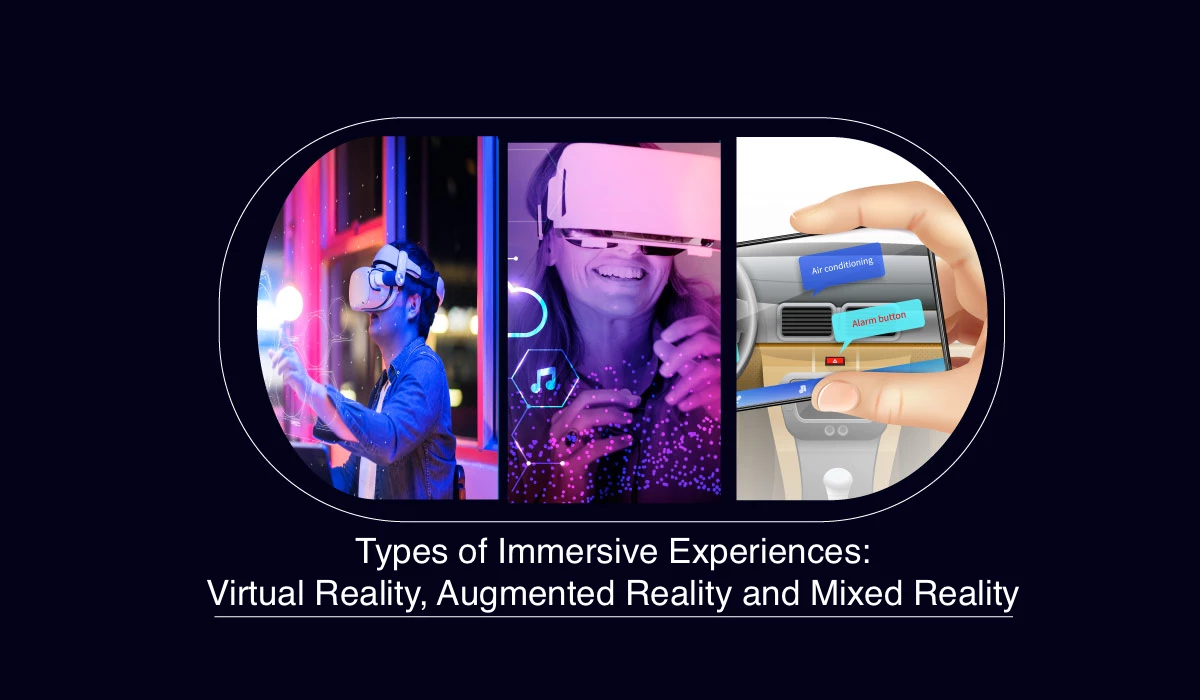
Virtual Reality (VR) is probably the most well-known type of immersive experience. It lets people go to completely virtual places. VR makes you feel like you’re in a digital world by using headsets with high-resolution screens and motion sensors. Users can move around these spaces, touch virtual objects, and even talk to other users in real time. There are many uses for VR, from games and entertainment to training simulations and therapy.
Augmented Reality (AR), on the other hand, adds digital information to our physical surroundings to make them better. AR lets people interact with digital objects while still being in their real environment, unlike VR, which requires people to fully immerse themselves in a virtual space. People usually use smartphones, tablets, or AR glasses to access this technology. These devices use cameras and sensors to map the real world and add digital content on top of it. There are many uses for AR, such as helping people find their way, teaching, and running interactive marketing campaigns.
Mixed Reality (MR) is the combination of VR and AR, which combines real and digital elements to make the experience more seamless and interactive. People can interact with both real and virtual objects in the same space with MR devices like the Microsoft HoloLens. With this technology, you can do more complicated things, like moving holographic models around or working with coworkers who are far away in a shared virtual workspace. As MR gets better, it could change a lot of industries by making it easier and more natural to interact with digital content.
Immersive experiences are changing education by giving students more fun and interactive places to learn. Physical resources and static content can often limit traditional classrooms. But VR and AR technologies offer moving options that can make things come to life. For instance, VR can take students back in time to important events in history so they can see and learn about them firsthand. This level of involvement can help people understand and remember information better than more traditional ways of teaching.
Immersive experiences can not only make people more interested, but they can also work with different ways of learning. 3D models and simulations can help visual learners, and virtual objects can help kinesthetic learners understand things better. AR apps can put digital information on top of physical textbooks, giving you interactive content and extra resources that meet your specific learning needs. This personalized method can help students understand difficult ideas better and at their own speed.
Also, immersive experiences can make it easier for people to learn together and connect with people all over the world. Students from all over the world can work on projects, share ideas, and learn from each other’s points of view in virtual classrooms. This kind of interaction between people from different countries can help students understand and care about other cultures, which will help them live in a world that is more connected. We can make learning environments that are more welcoming and effective by using immersive technologies in the classroom. This will help students get ready for the future’s challenges and opportunities.
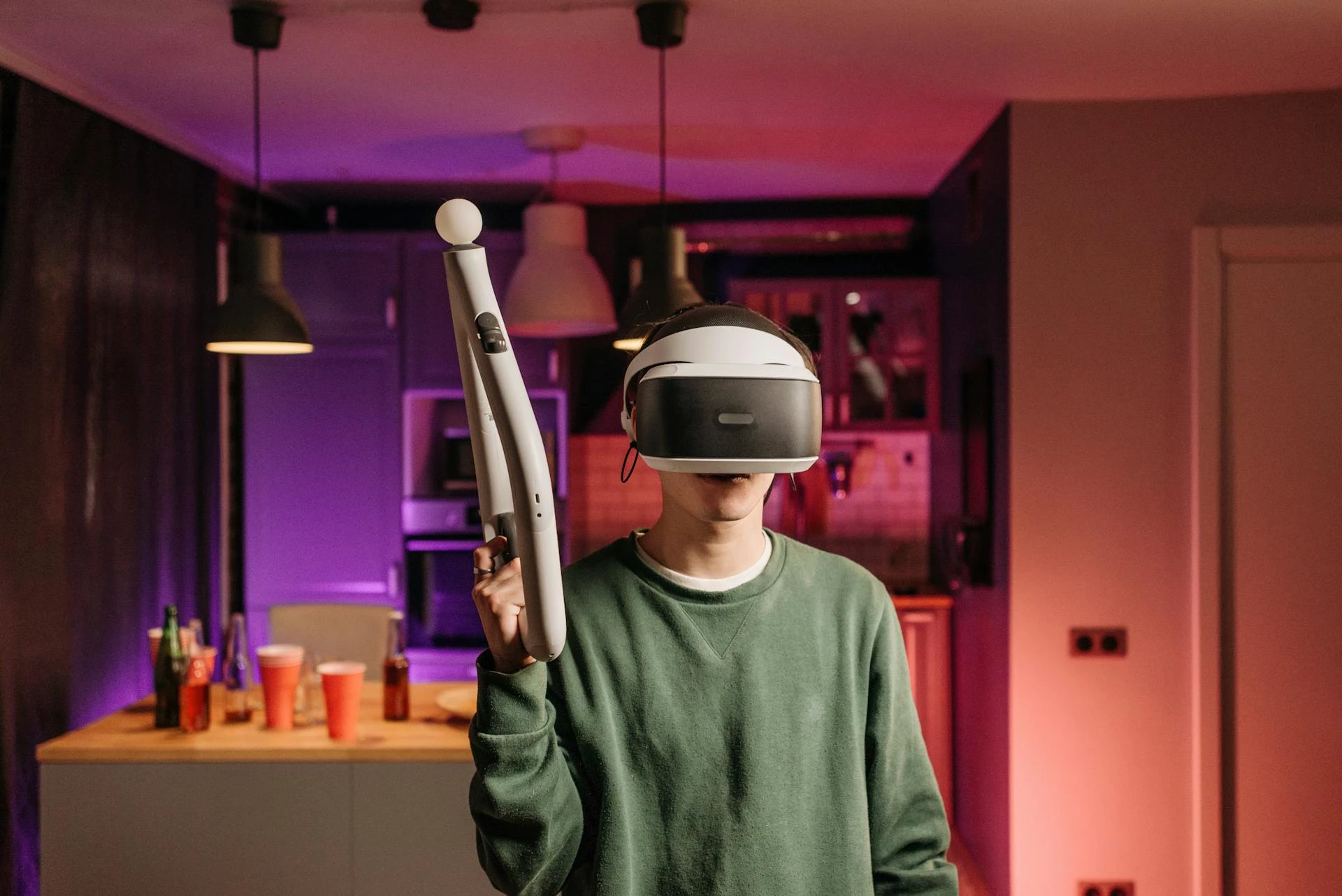
The entertainment and gaming industries have been at the forefront of adopting immersive technologies, creating captivating experiences that push the boundaries of storytelling and interactivity. VR gaming, in particular, has revolutionized how players engage with digital worlds. Unlike traditional video games, where players interact through a screen and controller, VR games immerse players in a 360-degree environment, allowing them to physically move and interact within the game world. This level of immersion creates a more intense and memorable gaming experience.
Beyond gaming, VR and AR are also transforming other forms of entertainment, such as film and live performances. VR films, for example, can place viewers inside the story, allowing them to explore scenes from different angles and perspectives. This immersive approach to storytelling can evoke stronger emotional responses and create a deeper connection with the narrative. Similarly, AR can enhance live performances by adding digital elements to stage productions, concerts, and exhibitions, creating a more dynamic and interactive experience for the audience.
The potential of immersive experiences in entertainment extends to theme parks and location-based attractions. Amusement parks are increasingly incorporating VR and AR into their rides and attractions to provide unique and thrilling experiences. For instance, VR roller coasters can simulate different environments and scenarios, giving riders the sensation of flying through space or diving underwater. These immersive attractions can offer new ways for audiences to experience entertainment, making it more engaging and memorable.
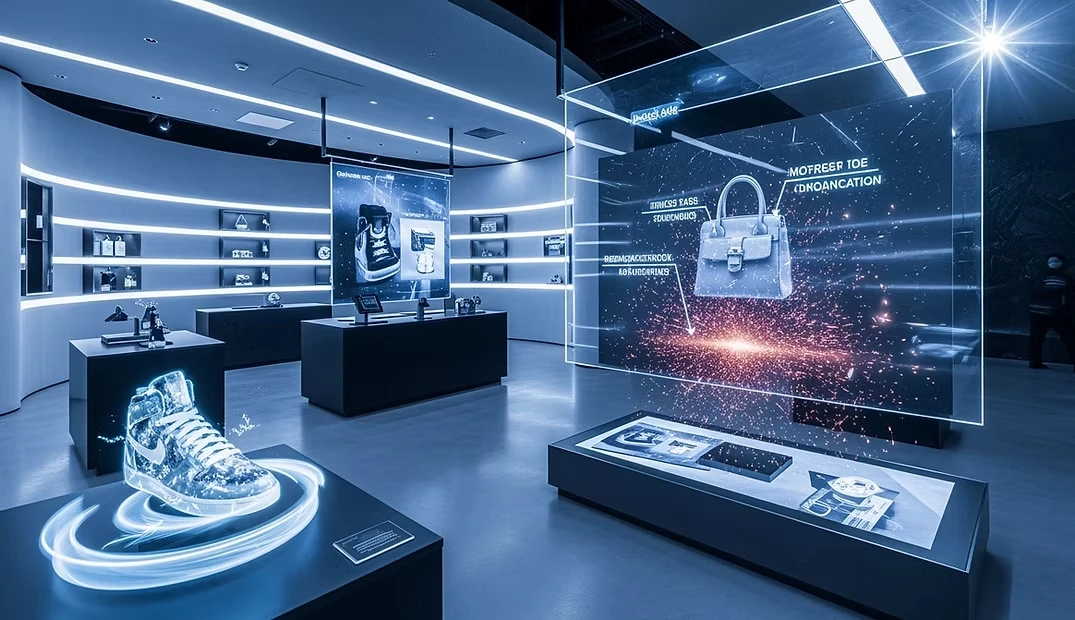
Businesses across various industries are recognizing the value of immersive experiences and incorporating them into their operations to enhance customer engagement, improve training, and drive innovation. In the retail sector, AR applications are transforming the shopping experience by allowing customers to visualize products in their own space before making a purchase. For example, furniture retailers use AR to let customers see how a piece of furniture would look in their home, helping them make more informed decisions and reducing the likelihood of returns.
In the corporate world, VR is being used for employee training and development. Traditional training methods can be costly and time-consuming, but VR offers a more efficient and effective alternative. VR training simulations can replicate real-world scenarios, allowing employees to practice skills and procedures in a safe and controlled environment. This hands-on approach can improve retention and performance, particularly in industries that require complex or hazardous tasks, such as manufacturing, healthcare, and aviation.
Immersive experiences are also being leveraged for marketing and brand engagement. VR and AR campaigns can create memorable and interactive experiences that capture the attention of consumers and build brand loyalty. For instance, automotive companies use VR to offer virtual test drives, allowing potential customers to experience the features of a car without setting foot in a dealership. These immersive marketing strategies can differentiate brands in a competitive market and create a stronger emotional connection with consumers.
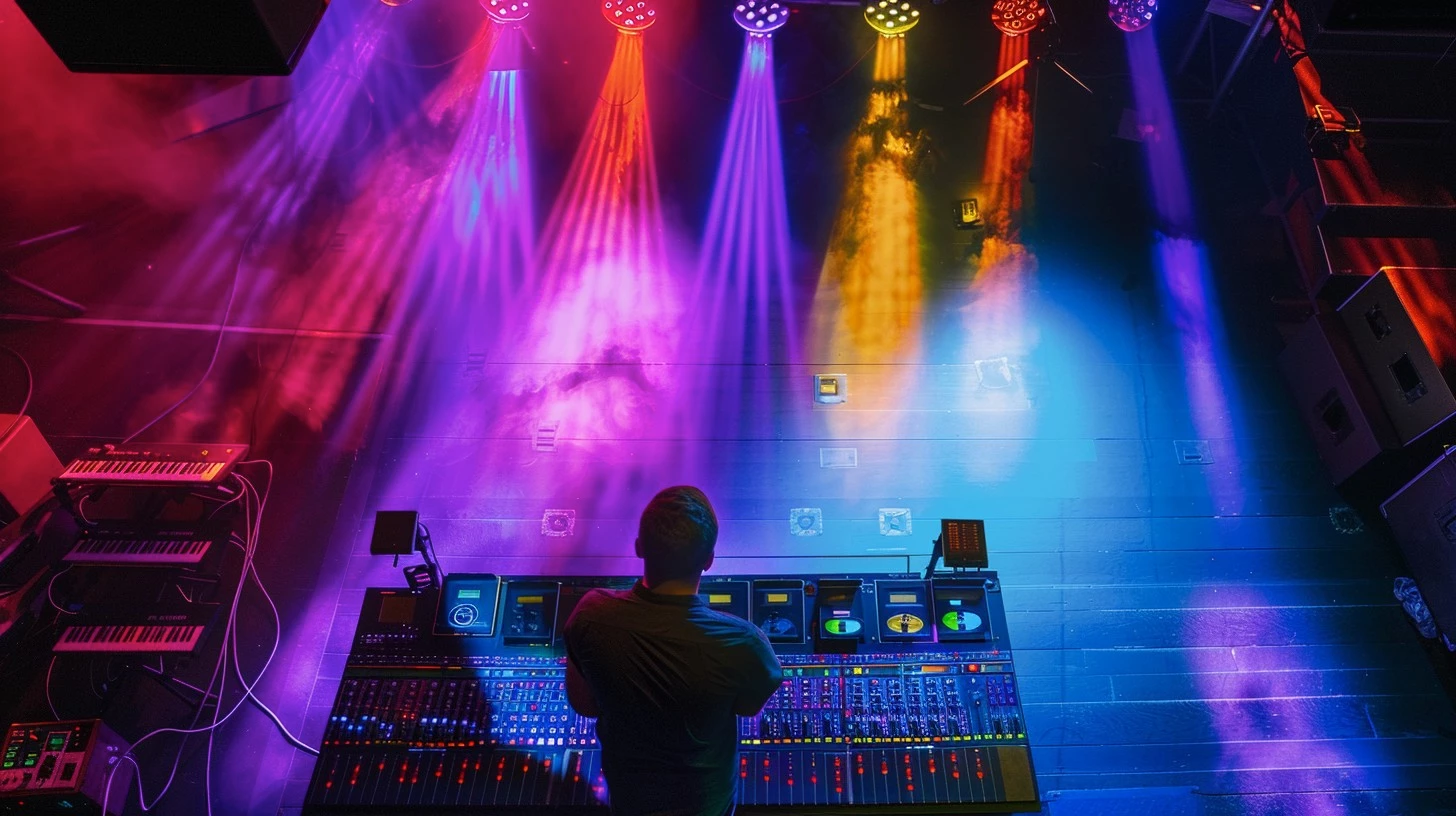
The future of immersive technology is poised to bring even more exciting and transformative advancements. One of the key trends is the development of more realistic and interactive environments. Advances in graphics, haptic feedback, and artificial intelligence are enabling the creation of virtual worlds that are increasingly indistinguishable from reality. These improvements will enhance the sense of presence and immersion, making virtual experiences more convincing and engaging.
Another significant trend is the integration of immersive technology with other emerging technologies, such as 5G, the Internet of Things (IoT), and blockchain. The rollout of 5G networks will provide the high-speed, low-latency connectivity needed to support more complex and interactive VR and AR applications. IoT devices can enhance immersive experiences by providing real-time data and interactions with the physical world. Meanwhile, blockchain technology can ensure the security and authenticity of digital assets and transactions within virtual environments.
The democratization of immersive technology is also a key trend as more affordable and accessible devices become available and some are in pipeline. As the cost of VR and AR hardware continues to decrease, these technologies will become more widely adopted by consumers and businesses. Additionally, the development of standalone VR headsets and AR glasses will eliminate the need for expensive and cumbersome equipment, making immersive experiences more convenient and user-friendly. This increased accessibility will drive further innovation and adoption across various sectors.
As we stand on the cusp of a new era defined by technological innovation, the significance of immersive experiences cannot be overstated. These experiences are not just novel forms of entertainment; they are powerful tools that have the potential to transform education, healthcare, business, and beyond. By creating more engaging, interactive, and empathetic environments, immersive technologies can enhance our understanding of the world and each other, paving the way for a more connected and compassionate society.
Embracing immersive experiences is essential for preparing for the future. As these technologies continue to evolve and become more accessible, they will play an increasingly important role in our daily lives. By integrating VR, AR, and MR into various aspects of our lives, we can unlock new opportunities for learning, creativity, and innovation. These experiences can help us address complex challenges, improve our mental and physical well-being, and create more inclusive and equitable communities.
Ultimately, the importance of immersive experiences lies in their ability to enrich our lives in ways we have yet to imagine. By embracing this technological frontier, we can unlock the full potential of immersive technology and harness its power to create a brighter and more promising future for everyone. Whether you are a tech enthusiast, a curious beginner, or someone looking to make a positive impact, the world of immersive experiences offers endless possibilities and opportunities for growth and discovery.
An immersive experience is any interaction or environment that fully engages a person’s senses, attention, and emotions, making them feel present in a simulated or augmented reality. Technologies like virtual reality (VR), augmented reality (AR), 360-degree videos, and interactive simulations are commonly used. Immersive experiences allow users to explore, interact, and learn in ways that traditional methods—like reading or watching videos—cannot match. They are used across education, entertainment, training, marketing, and healthcare.
Immersive experiences are important because they make learning, training, and entertainment more effective and engaging. By creating a realistic or interactive environment, they help users retain information better, understand complex concepts more quickly, and develop critical skills such as problem-solving, spatial awareness, and decision-making. In education, this means students can “experience” concepts instead of just memorizing them. In business, it allows employees to practice tasks in a risk-free environment, increasing confidence and performance.
Immersive technology in education includes VR field trips, AR-based interactive lessons, and simulation labs. Students can virtually visit historical landmarks, explore the human body in 3D, or conduct chemistry experiments safely. These technologies make learning hands-on and experiential, which improves understanding, engagement, and retention. They also provide opportunities for personalized learning, where students can learn at their own pace, repeat lessons, and practice skills without real-world risks.
Yes, immersive experiences have wide applications in business. Companies use VR and AR for employee training, product demonstrations, virtual meetings, and customer engagement. For example, employees can practice machinery operation in a virtual environment, reducing training costs and avoiding accidents. Marketers use immersive campaigns to let customers explore products virtually before buying. Overall, immersive technology boosts efficiency, engagement, and learning outcomes in professional settings.
Real‑life examples of immersive experiences include:
VR Gaming: For instance, titles like No Man’s Sky (with full VR support) show how players step into vast alien worlds and interact in 3D space. Game Rant
AR Navigation Apps: Apps such as Pokémon GO overlay digital content on real environments (e.g., virtual creatures in real‑world places), making the world itself part of the experience.
Virtual Museums & Tours: Exhibits like Van Gogh: The Immersive Experience allow users to walk through beloved art or historical sites virtually, e.g., “step inside a painting” exhibits. Van Gogh Expo
Simulation‑Based Training: Professionals use immersive simulations like flight simulators for pilots, medical procedure VR for doctors, or emergency drills in VR/AR to practice safely in realistic conditions.
Interactive Storytelling & Entertainment: Users engage directly with characters/environments in ways that blur the line between audience and participant, e.g., interactive VR films, 360° narrative experiences, and AR/VR escape rooms.