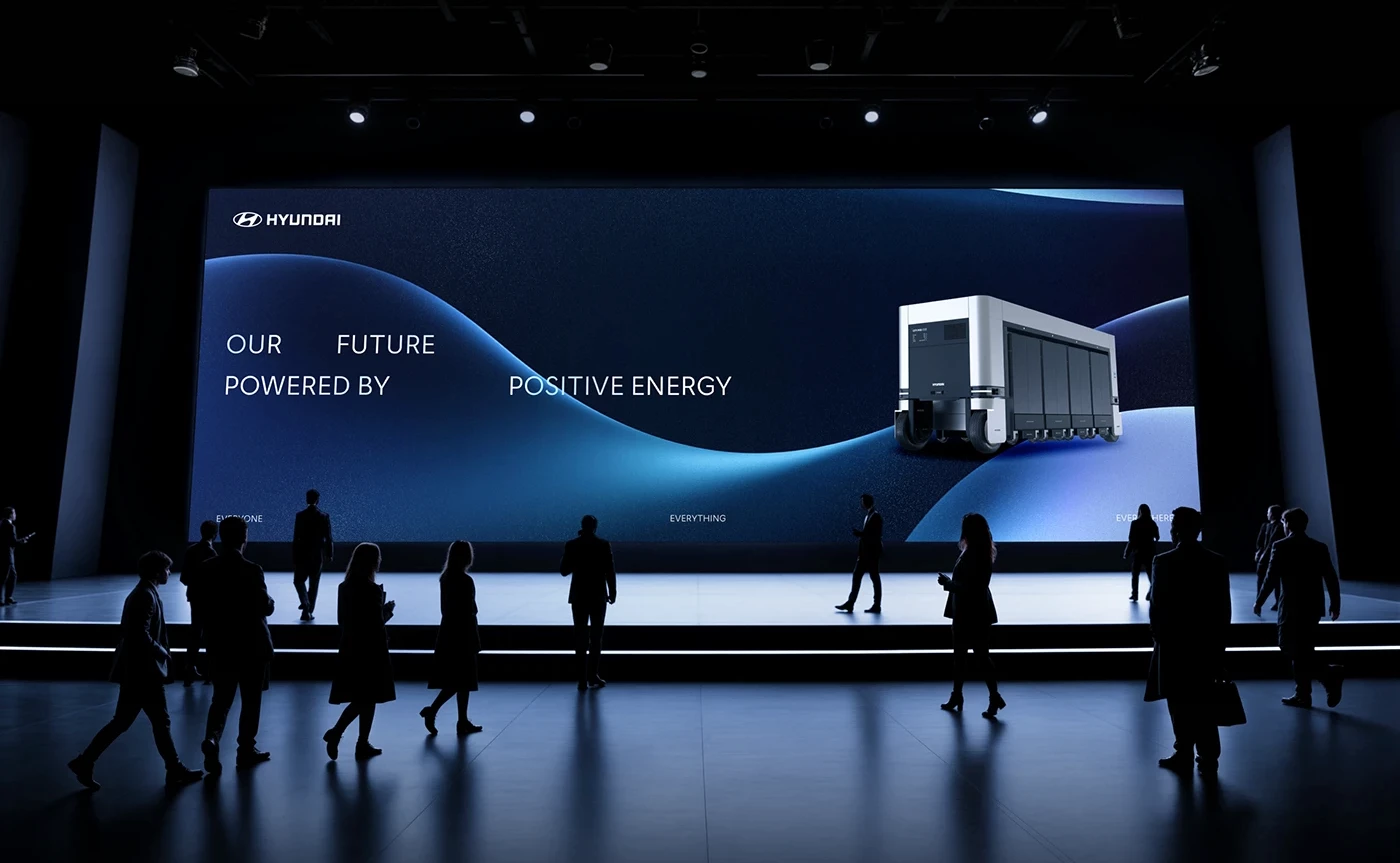
smart city mobility platform

Hyundai Smart City Mobility Platform​

Brief
This project focuses on designing a smart city mobility platform interface that connects Urban Air Mobility (UAM), Purpose Built Vehicles (PBV), and intelligent mobility hubs into a seamless transportation experience. The platform aims to simplify complex multimodal travel by enabling users to plan, book, and manage transportation through a single digital interface.
Industry
Smart Cities / Urban Mobility / Transportation Technology
Date
April 2026
Target Users
Primary Users

Urban commuters
Business travelers
Tourists navigating large cities

Secondary Users

Smart city administrators
Transportation operators
Mobility service providers
Bitmap 7

Transforming Urban Transportation with Intelligent Mobility Systems

Cities are rapidly evolving, and traditional transportation infrastructure is struggling to keep up with growing urban populations. Traffic congestion, inefficient mobility systems, and fragmented transportation platforms are creating significant challenges for modern cities.

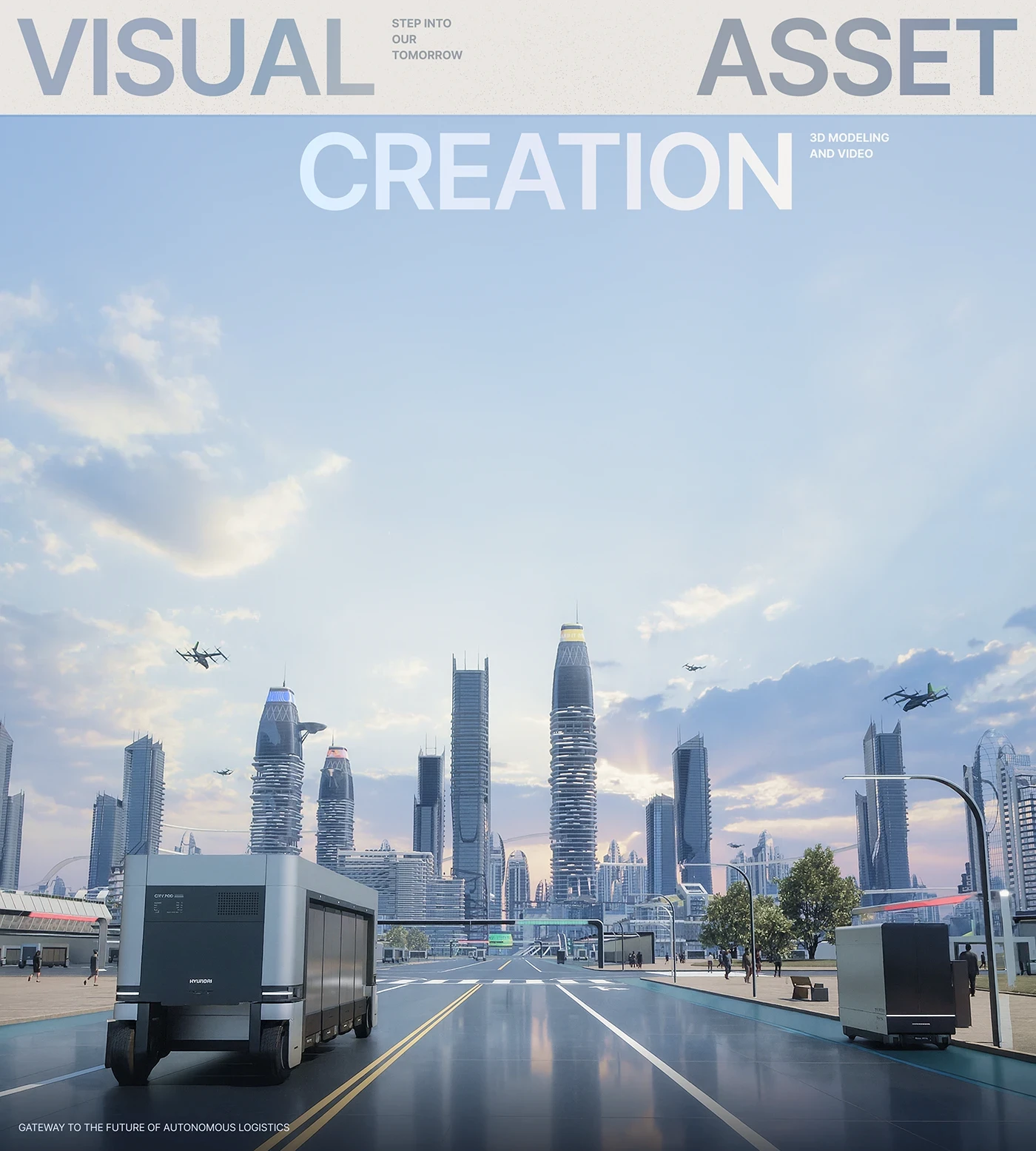
The Hyundai Smart City Mobility Platform presents a future-ready solution designed to integrate Urban Air Mobility (UAM), Purpose Built Vehicles (PBV), and intelligent mobility hubs into a unified transportation ecosystem.

This concept demonstrates how a smart city mobility platform can connect aerial transportation, autonomous ground vehicles, and digital infrastructure into a seamless urban mobility network.

By combining smart transportation system design with advanced digital mobility platforms, cities can build a future where transportation is faster, more efficient, and designed around human experience.

smart city mobility platform
Frame 2
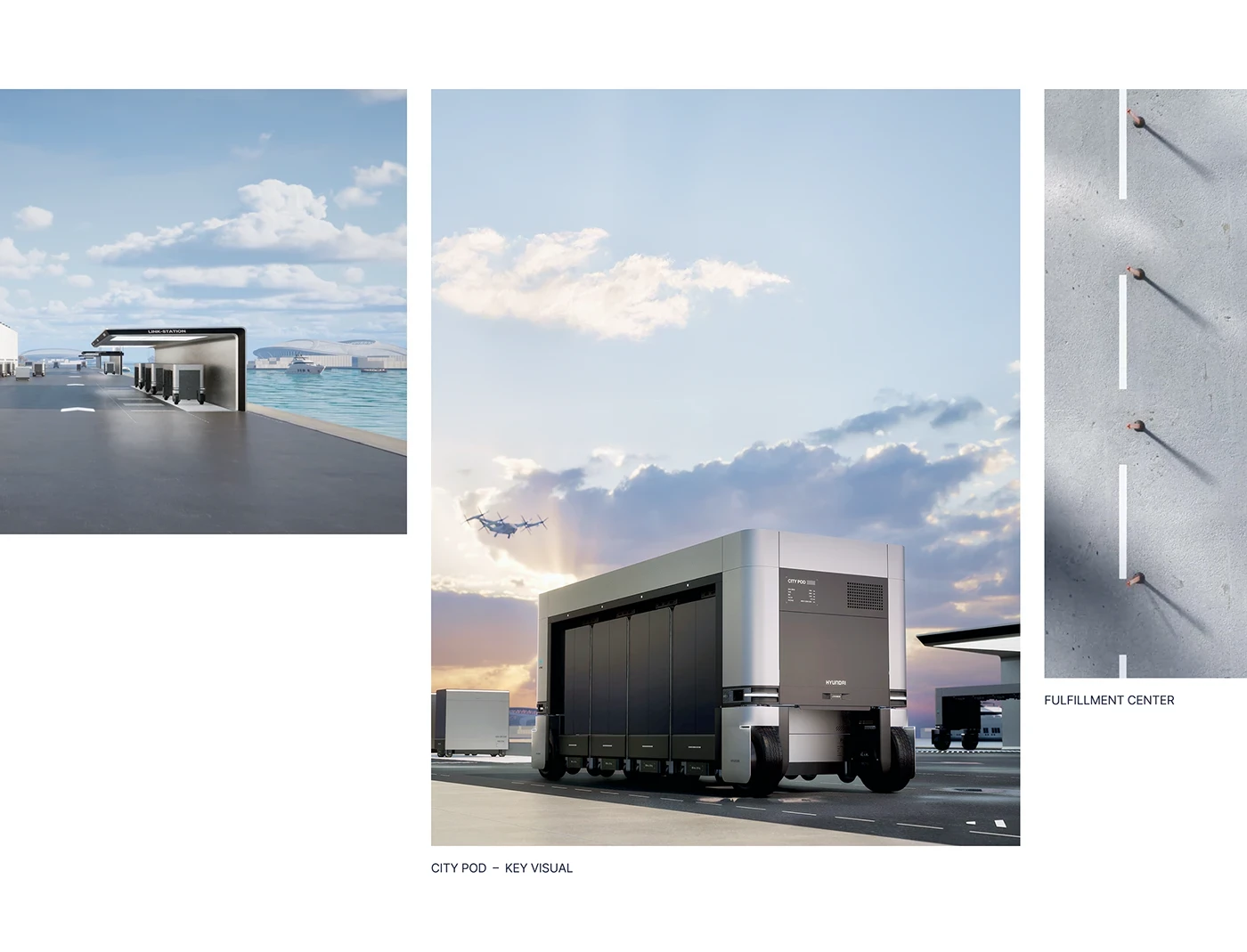
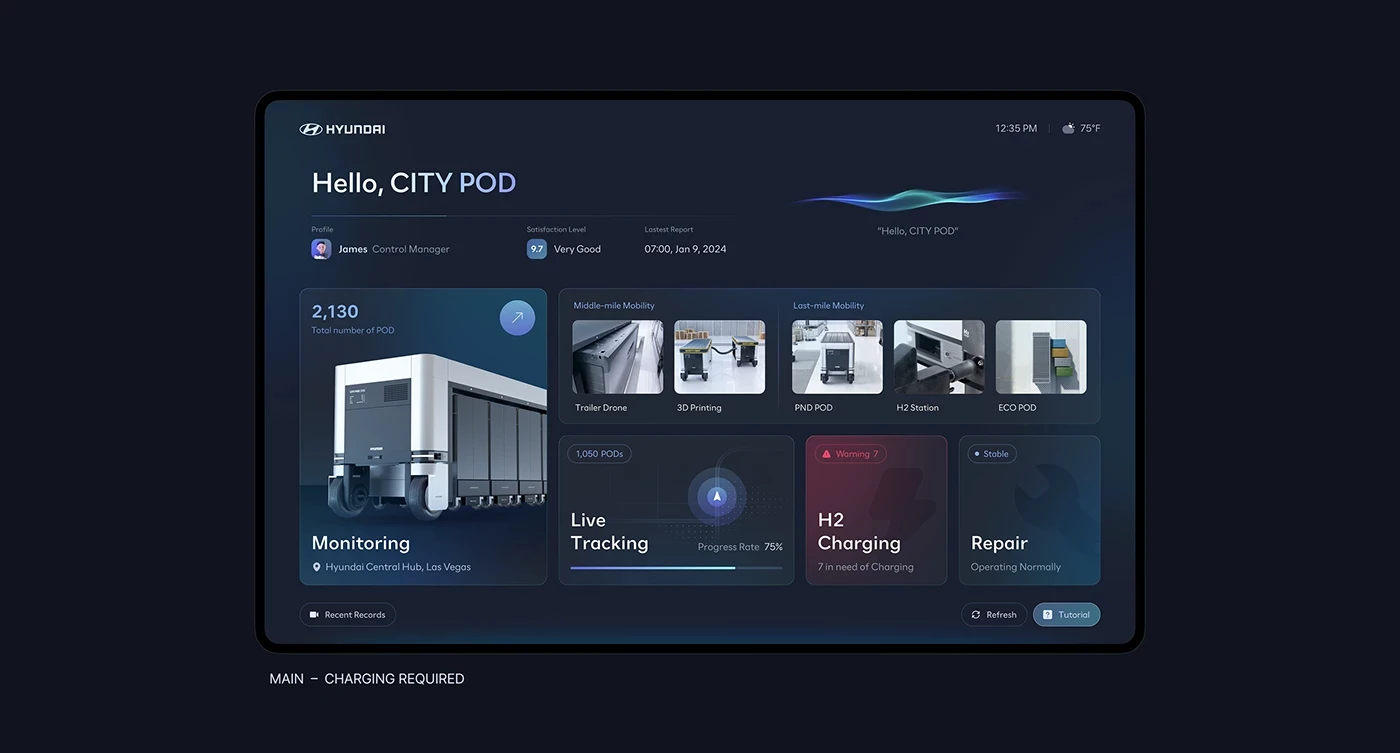
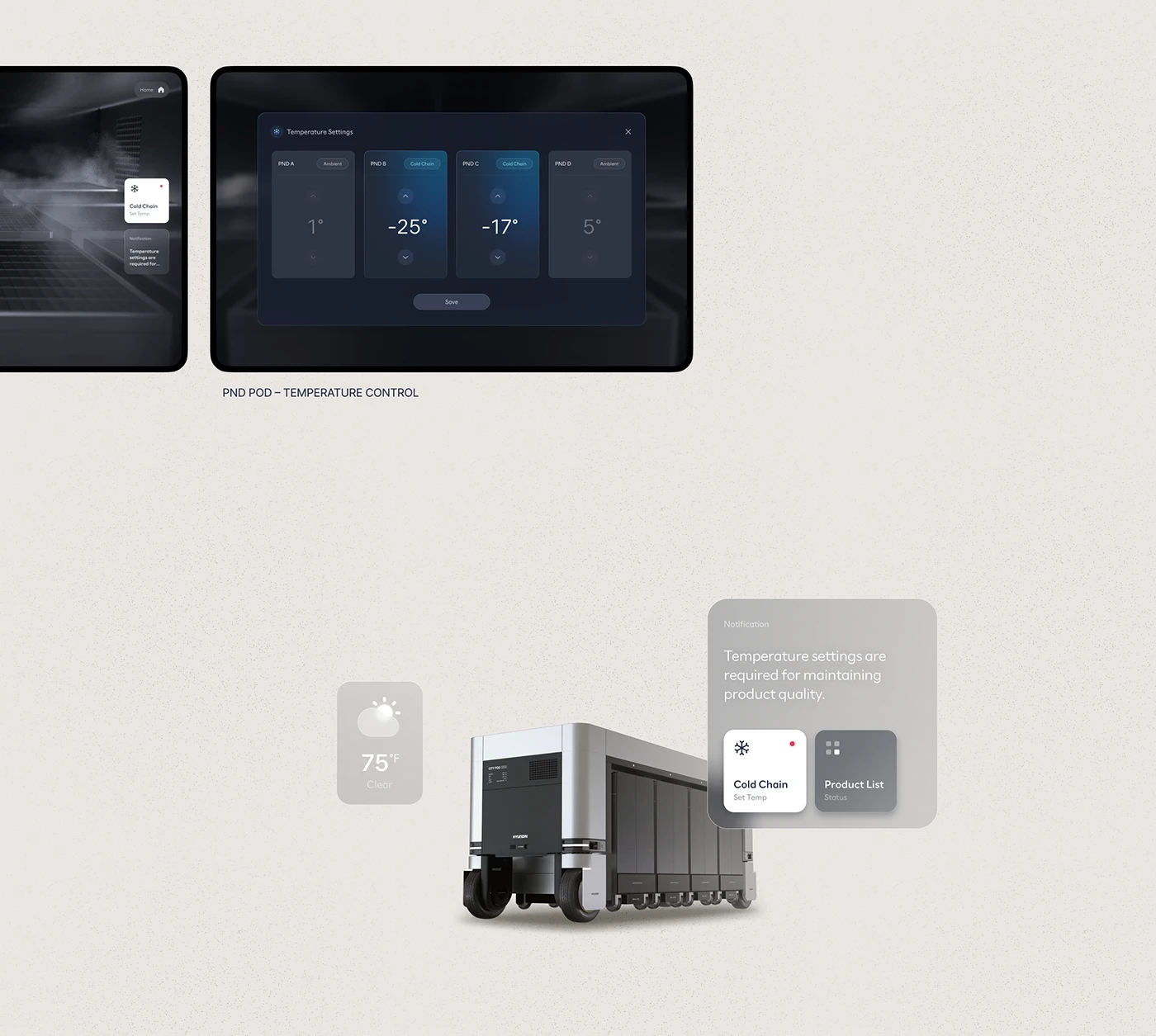
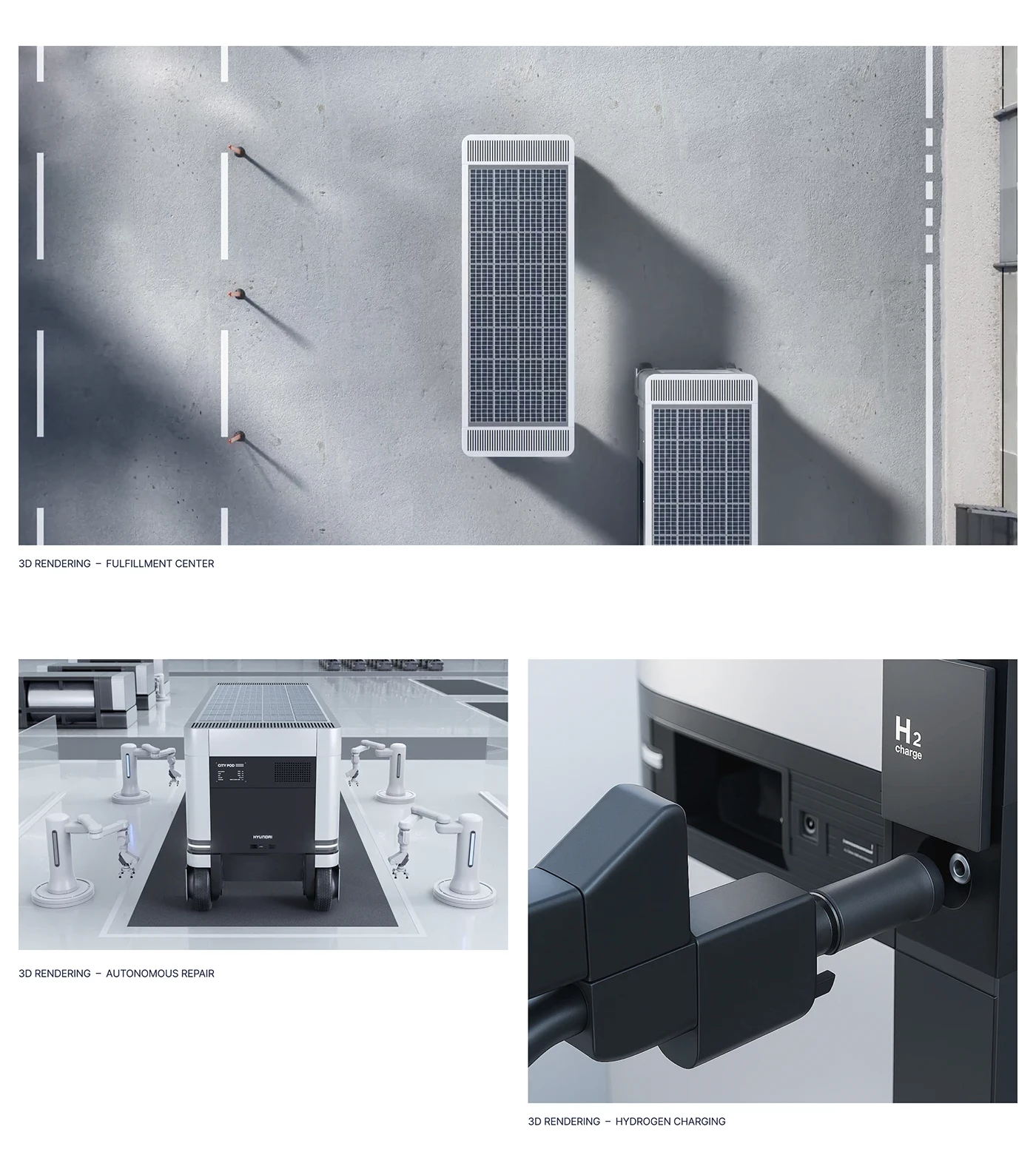
Hyundai City Pod and Fullfilment Center

The Need for a Smart City Mobility Platform

Modern urban transportation systems operate through disconnected services. Ride-hailing apps, public transportation, and private vehicles function independently, creating inefficient travel experiences for users.

A smart city mobility platform solves this problem by integrating various transportation modes into a single digital ecosystem.

Key challenges facing urban mobility today include:

  • • Increasing traffic congestion in dense city centers
  • • Fragmented transportation systems across multiple platforms
  • • Inefficient multimodal travel planning
  • • Limited real-time coordination between transportation services
  • • Poor user experience when transitioning between mobility options
Through smart transportation platforms and urban mobility technology solutions, cities can connect vehicles, infrastructure and passengers into an intelligent transportation network. The Hyundai mobility concept explores how future city transportation systems can operate through a centralized digital platform.

Future Mobility Ecosystem

The Hyundai platform combines multiple transportation technologies that together form an integrated smart city mobility ecosystem.

Future Mobility Ecosystem

Urban Air Mobility (UAM)

Urban Air Mobility introduces electric aerial vehicles capable of transporting passengers across cities through dedicated air corridors. Within the urban air mobility platform, users can:

  • • Book air taxi routes across the city
  • • Track available aerial vehicles
  • • View air travel corridors
  • • Plan seamless connections between air and ground transportation

This layer of mobility dramatically reduces travel time across congested urban environments and creates a new dimension of transportation.

Purpose Built Vehicles (PBV)

Purpose Built Vehicles represent the next generation of autonomous urban transportation vehicles. Unlike traditional vehicles, PBVs are modular and designed for specific urban services such as:

  • • Passenger mobility pods
  • • Delivery and logistics vehicles
  • • Mobile retail units
  • • Healthcare transport systems


These autonomous vehicles operate as part of a smart transportation platform, responding dynamically to transportation demand in the city.

Mobility Transit Hubs

Mobility hubs act as physical connection between air and ground mobility systems. These function as smart city transportation infrastructure, enabling smooth passenger transfers between Urban Air Mobility vehicles and PBVs.

  • • Boarding schedules
  • • Hub navigation guidance
  • • Transfer routes between vehicles
  • • Real-time vehicle availability

This integration ensures that the entire multimodal mobility platform operates as one connected system.

Designing the Smart City Mobility Platform UX

Building a smart city mobility platform interface requires simplifying complex transportation networks into intuitive digital experiences.

The UX design strategy focused on three key principles.

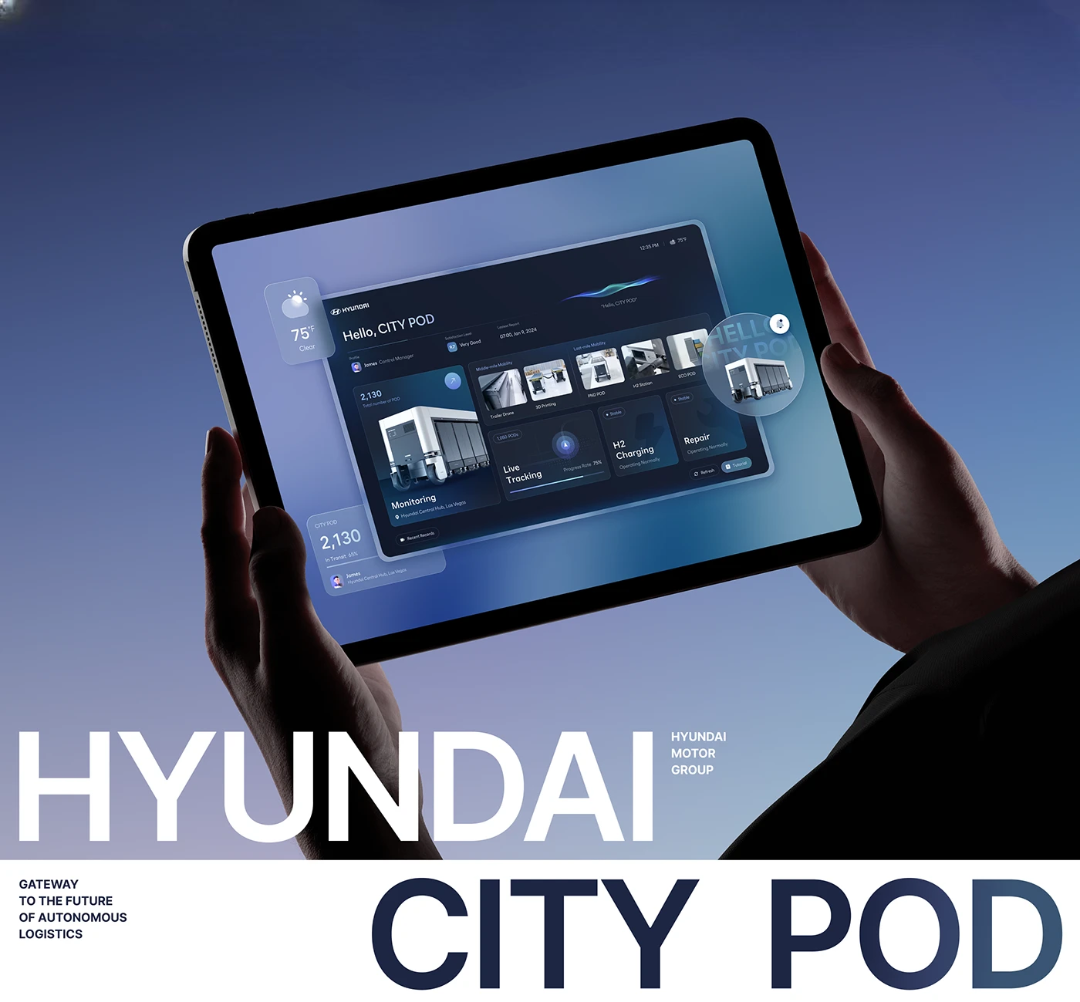
Unified Mobility Dashboard

Instead of requiring multiple apps, the platform consolidates mobility services into a single interface where users can plan and manage all transportation options.

Intelligent Route Optimization

The system analyzes traffic data, air routes, and vehicle availability to generate optimized travel paths across multiple transportation layers.

Human-Centered Mobility Design

Even though the system relies on advanced technology like autonomous vehicles and aerial mobility, the interface prioritizes simplicity, transparency, and usability.

This ensures that future transportation technology remains accessible for everyday users.

Bitmap
Bitmap 1
Bitmap 2

Key Features of the Mobility Platform

Multimodal Route Planning

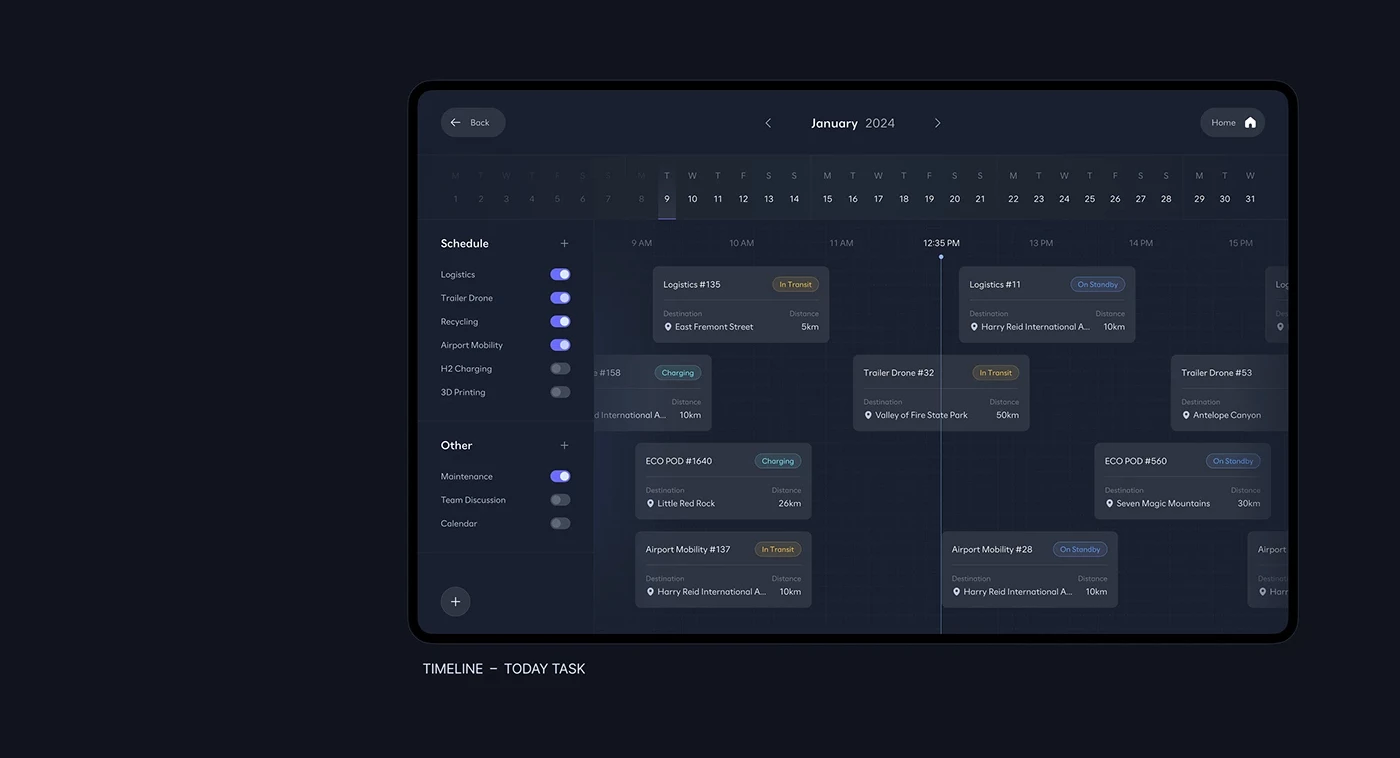
The platform enables users to plan trips using multiple transportation systems simultaneously. Travel routes can combine:

  • • Autonomous PBV vehicles
  • • Urban Air Mobility aircraft
  • • Shared transportation services
  • • Public transit integrations


By analyzing real time data, platform recommends the most efficient routes across the city.

Smart Mobility Hub Navigation

It can become complex environments where multiple vehicles arrive and depart simultaneously providing guided navigation to help users locate:

  • • Boarding gates
  • • Transfer pathways
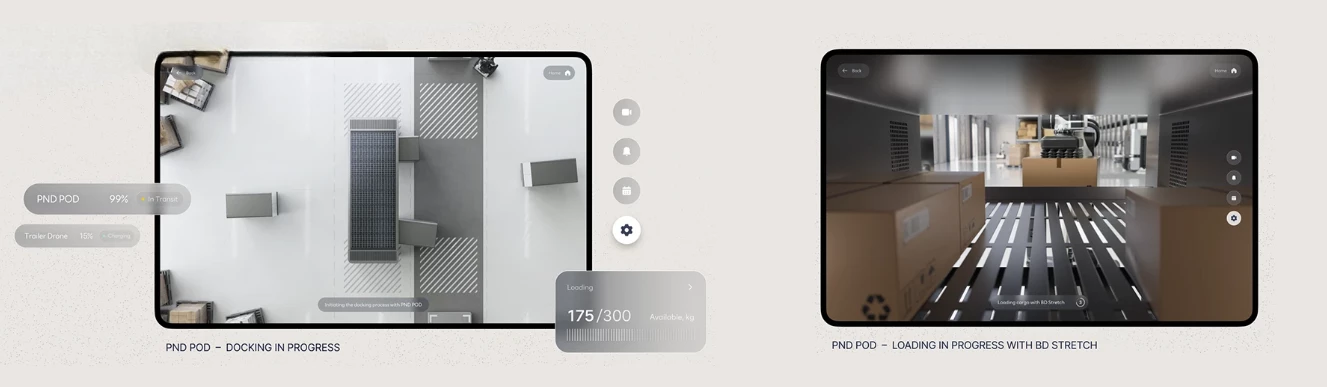
  • • Vehicle docking stations
  • • Passenger waiting areas

This digital guidance ensures seamless transitions between transportation modes.

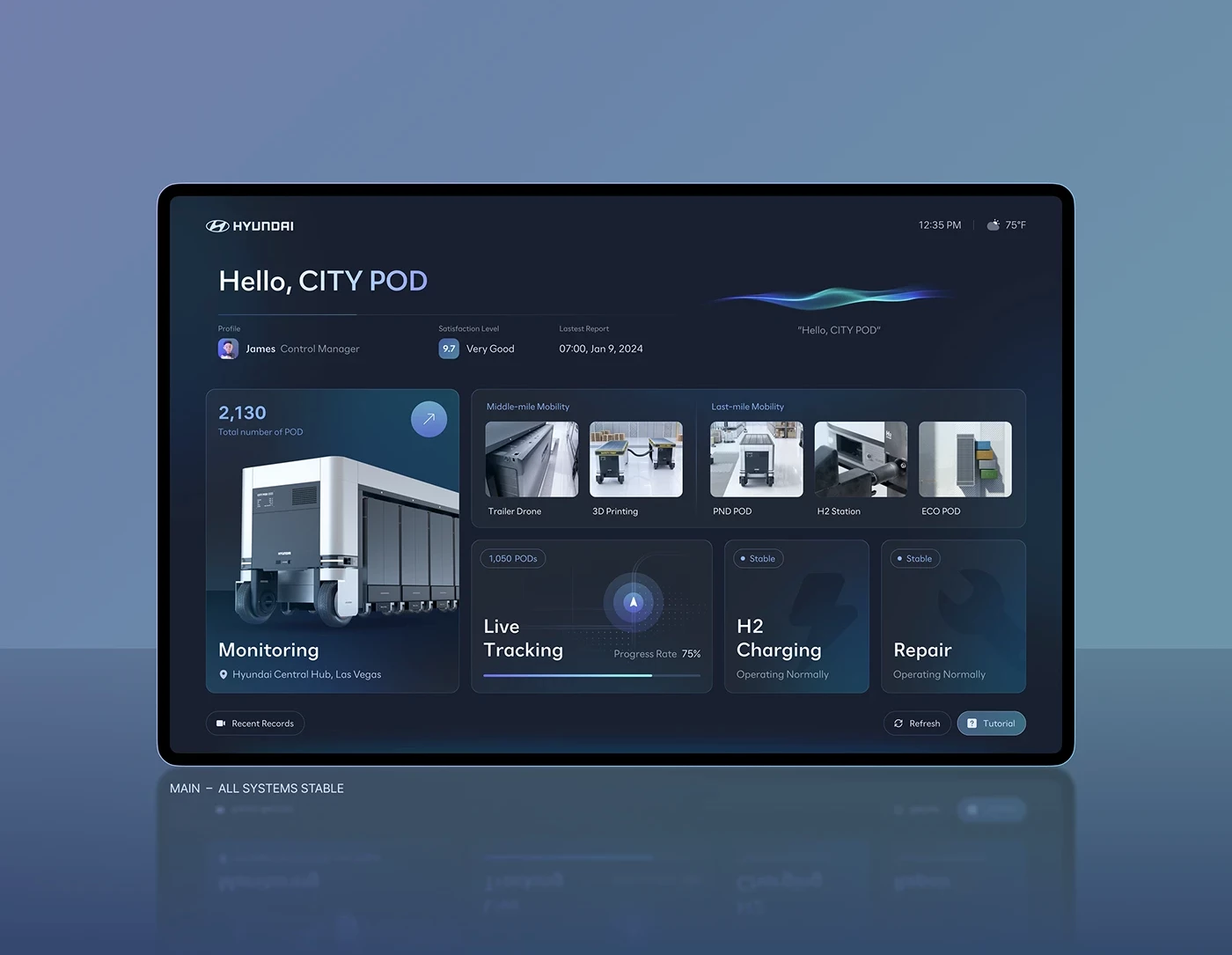
Autonomous Fleet Monitoring

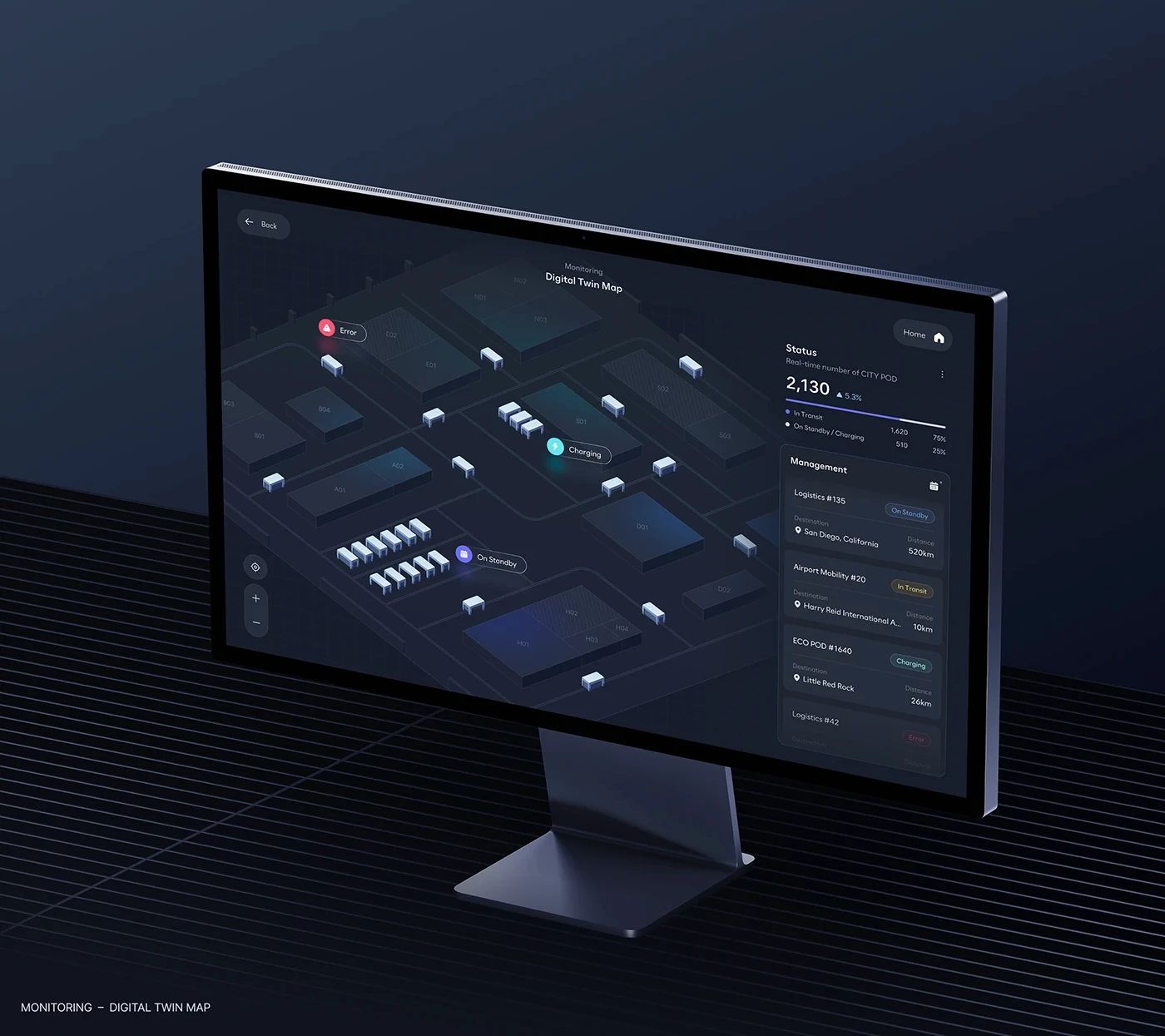
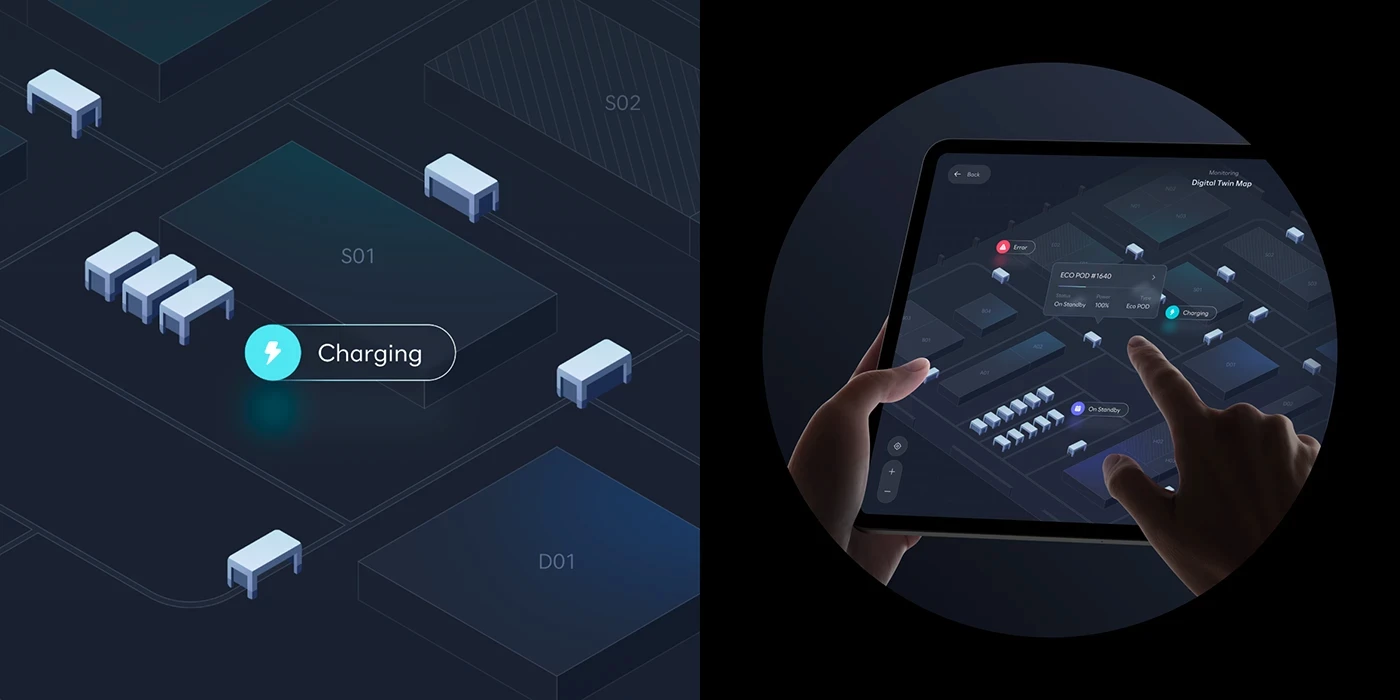
For mobility operators and city administrators platform includes a transportation fleet management dashboard. Operators can monitor:

  • • Vehicle locations across the city
  • • Urban air mobility flight paths
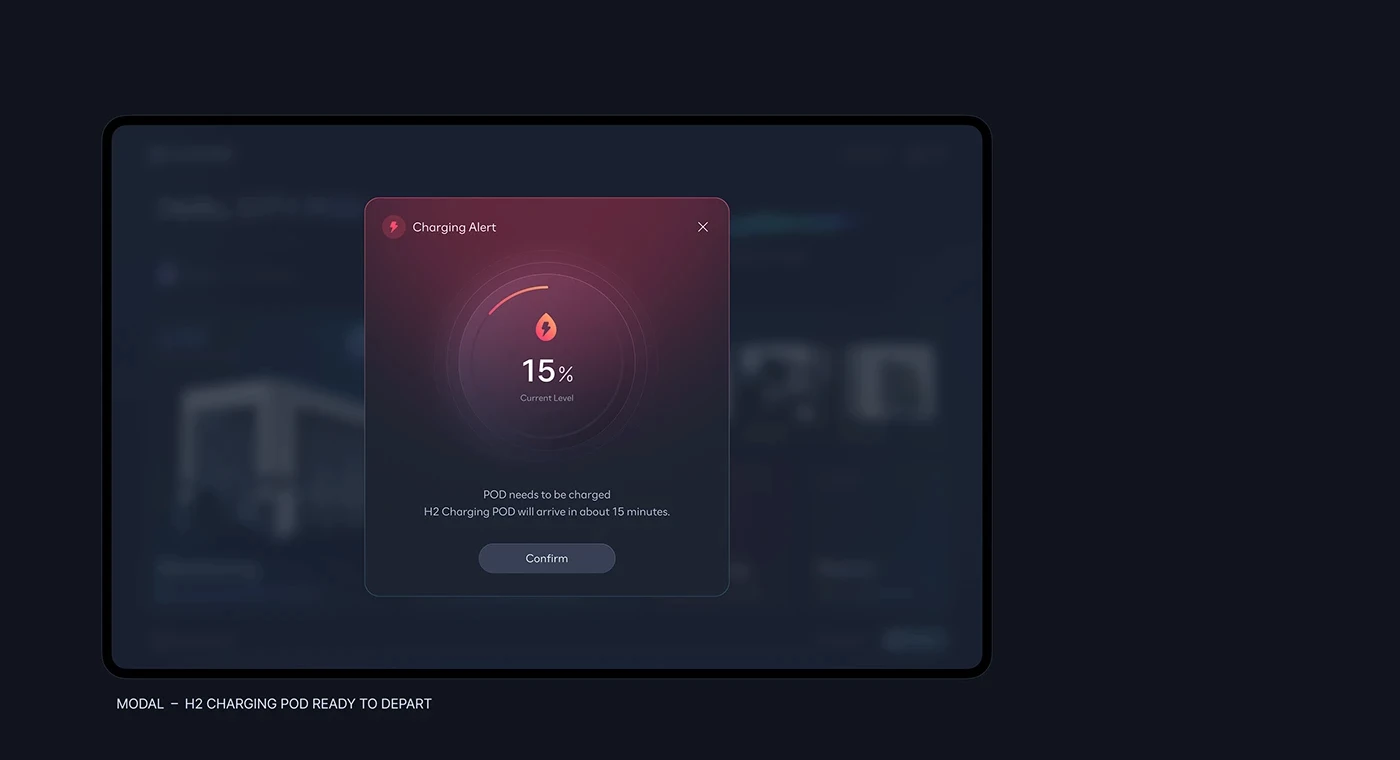
  • • Charging infrastructure availability
  • • Passenger demand patterns

This data-driven approach allows cities to manage smart transportation more efficiently.
Digital Twin fullfilment Center
Bitmap 3

UI Design Approach

The platform adopts a modern interface designed specifically for smart mobility platforms and urban transportation dashboards.

Key design elements include:

Data-Centric Interface

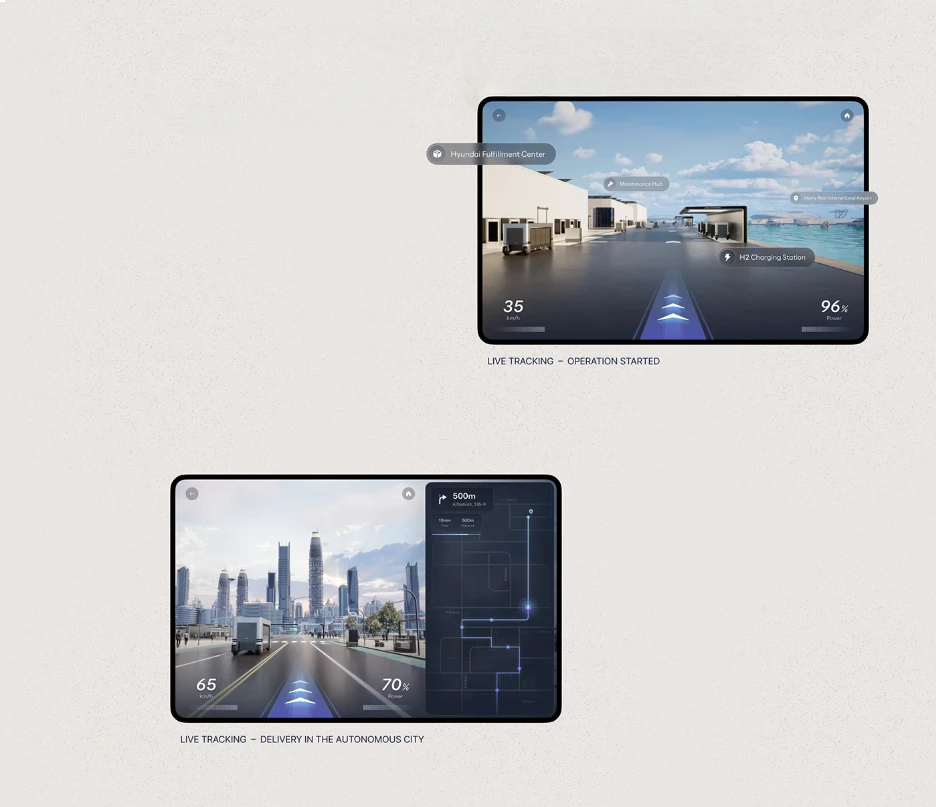
Maps, travel routes, and vehicle positions are visualized through dynamic map layers and real-time data overlays.

Modular UI Components

Information cards and widgets allow users to quickly access travel information without navigating complex menus.

High Visibility Design

Large typography, simplified icons, and strong contrast ensure usability across mobile devices, in-vehicle screens, and mobility hub displays.

Bitmap 4
Group
Bitmap 1 1
Bitmap 5
Bitmap 6

The Future of Urban Mobility Platforms

The Hyundai mobility concept highlights a fundamental shift in transportation design.

Future cities will rely not only on innovative vehicles but also on advanced digital platforms that orchestrate mobility networks.

Organizations developing smart city mobility platforms, urban transportation software, and intelligent mobility infrastructure will play a critical role in shaping how cities function in the coming decades.

Conclusion

The Hyundai Smart City Mobility Platform demonstrates how advanced UX design, multimodal transportation systems, and intelligent digital infrastructure can work together to redefine urban mobility.

By integrating Urban Air Mobility, autonomous Purpose Built Vehicles, and smart mobility hubs, this concept provides a blueprint for the next generation of transportation ecosystems.

As cities continue to expand, smart transportation platforms and mobility technology solutions will become essential tools for building efficient, sustainable, and human-centered urban environments.

Ready to Build the Future of Urban Mobility?

Smart cities need intelligent platforms that connect mobility, infrastructure, and people seamlessly.

At Atlyx, we design smart mobility platforms and future-ready digital experiences that turn complex urban systems into intuitive solutions.

Planning a smart city or mobility technology project?

Let’s build the platform that powers the next generation of urban movement.